EMERGENCy & NEW PATIENTS Welcome!

Choosing the Right Pediatric Dentist: What Parents Need to Know


Finding the right pediatric dentist for your child is a crucial step in ensuring their oral health and establishing a positive attitude towards dental care. As a parent, you want the best for your child, and that includes finding a dentist who is not only skilled but also makes your child feel comfortable and safe. This blog post will guide you through the process of selecting the right pediatric dentist, covering essential factors to consider, questions to ask, and tips for making the best choice.
Why Choose a Pediatric Dentist?
Pediatric dentists are specialists in children’s dental care. They undergo additional training beyond dental school to understand the unique needs of young patients. This training includes child psychology, growth and development, and the management of dental issues specific to children. Here are some reasons why choosing a pediatric dentist is beneficial:
- Specialized Training: Pediatric dentists have specialized knowledge and training in treating children’s dental issues from infancy through adolescence.
- Child-Friendly Environment: Pediatric dental offices are designed to be welcoming and comforting for children, reducing anxiety and fear.
- Preventive Care: Pediatric dentists focus on preventive care and educating parents and children on maintaining good oral health.
- Behavior Management: They are skilled in handling children’s behavior, making dental visits less stressful for both the child and parent.
Factors to Consider When Choosing a Pediatric Dentist
Selecting the right pediatric dentist involves more than just picking a name from a directory. Here are some key factors to consider:
1. Credentials and Experience
Check the dentist’s credentials and experience. Ensure they are board-certified in pediatric dentistry and have experience working with children. You can verify their credentials through the American Board of Pediatric Dentistry or a similar organization in your country.
2. Office Environment
The dental office environment plays a significant role in how your child perceives dental visits. Look for an office that is clean, bright, and equipped with child-friendly decor and amenities. A welcoming environment can help ease your child’s anxiety.
3. Approach to Preventive Care
A good pediatric dentist emphasizes preventive care and provides education on proper oral hygiene. They should offer regular check-ups, cleanings, fluoride treatments, and advice on diet and oral health habits.
4. Communication Skills
Effective communication is crucial when dealing with children. The dentist should be able to explain procedures in a way that is easy for your child to understand and make them feel comfortable. Additionally, the dentist should be open to answering your questions and addressing any concerns you may have.
5. Emergency Care
Dental emergencies can happen, and it’s important to know if the pediatric dentist provides emergency care or has an arrangement with a nearby facility for such situations. Knowing this can give you peace of mind.
6. Reviews and Recommendations
Look for reviews and recommendations from other parents. Online reviews, testimonials, and word-of-mouth referrals can provide valuable insights into the dentist’s practice. Ask friends, family, or your child’s pediatrician for recommendations.
Preparing Your Child for Their First Dental Visit
Once you’ve chosen a pediatric dentist, it’s time to prepare your child for their first visit. Here are some tips to make the experience as smooth and positive as possible:
- Talk Positively: Use positive language when discussing the dentist. Avoid using words that might scare your child, such as “pain” or “hurt.”
- Read Books or Watch Videos: There are many children’s books and videos about visiting the dentist. These can help your child understand what to expect and reduce anxiety.
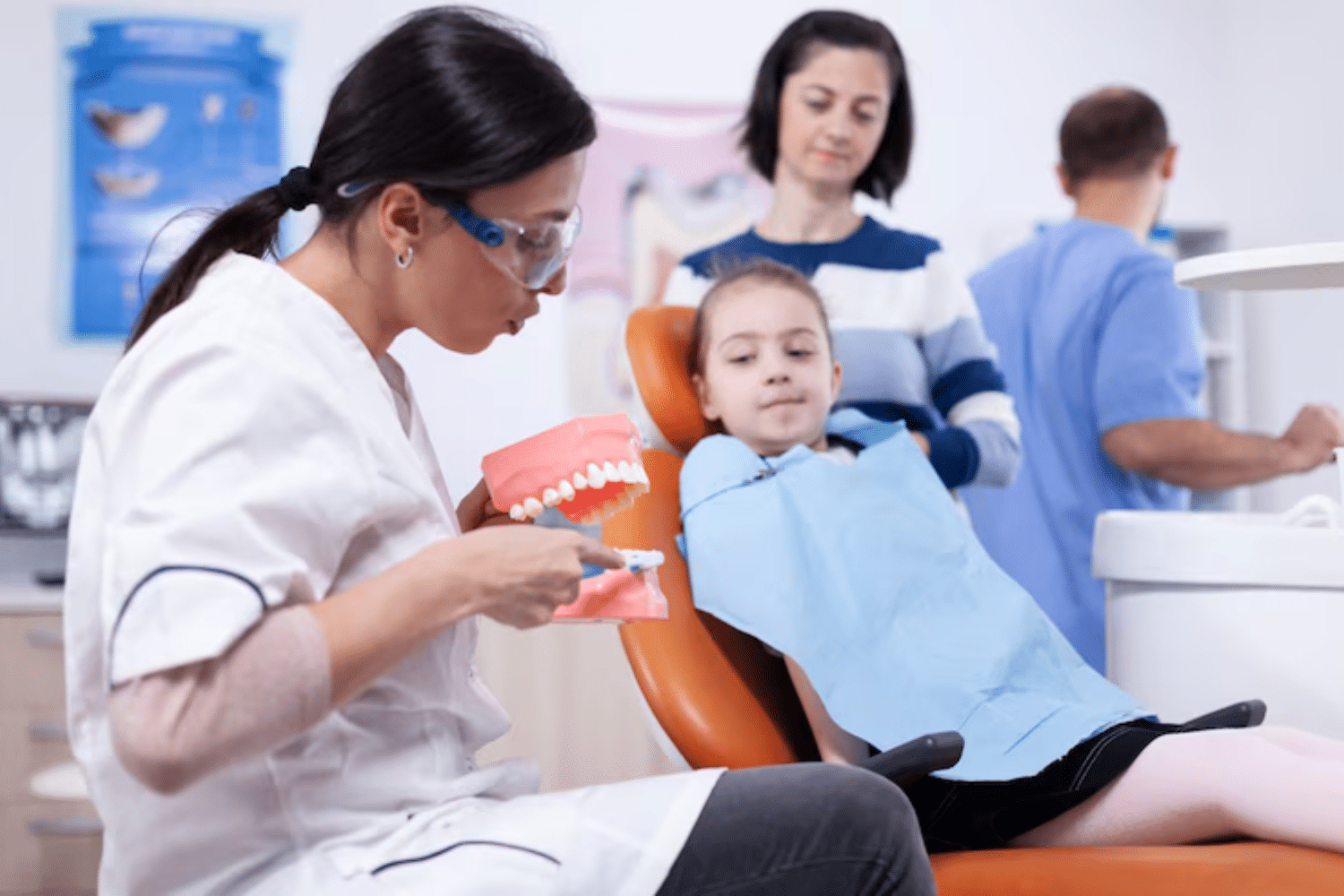
- Role Play: Pretend to be the dentist and your child the patient. Use a toothbrush to “examine” their teeth and show them what might happen during the visit.
- Schedule a Morning Appointment: Children are usually more cooperative and less tired in the morning. Try to schedule the appointment when your child is well-rested and in a good mood.
- Bring Comfort Items: Allow your child to bring a favorite toy or blanket to the appointment for comfort and reassurance.
What to Expect During the First Visit
The first dental visit is an opportunity for the pediatric dentist to get to know your child and for your child to become comfortable with the dental office. Here’s what you can typically expect:
- Introduction and Tour: The dentist and staff will introduce themselves and give you and your child a tour of the office.
- Review of Medical History: You will be asked to provide your child’s medical and dental history, including any medications they are taking and any allergies.
- Examination: The dentist will perform a gentle examination of your child’s teeth, gums, and mouth. This may include taking X-rays if necessary.
- Cleaning and Fluoride Treatment: Depending on your child’s age and needs, the dentist may perform a cleaning and apply a fluoride treatment to protect the teeth.
- Education and Advice: The dentist will provide guidance on brushing, flossing, diet, and other aspects of oral care. They may also give you tips on managing common issues like teething or thumb-sucking.
- Positive Reinforcement: Pediatric dentists often use positive reinforcement, such as praise and small rewards, to make the visit enjoyable and encourage good behavior.
Maintaining Good Oral Health at Home
While regular dental visits are important, maintaining good oral health at home is crucial. Here are some tips to help you keep your child’s teeth healthy:
- Start Early: Begin cleaning your baby’s gums with a soft cloth even before their teeth come in. Once the first tooth appears, start brushing with a soft-bristled toothbrush and a small amount of fluoride toothpaste.
- Brush Twice a Day: Make sure your child brushes their teeth twice a day for two minutes each time. Supervise brushing until they are old enough to do it effectively on their own.
- Floss Daily: Begin flossing your child’s teeth as soon as they have two teeth that touch. Teach them how to floss properly as they get older.
- Limit Sugary Snacks and Drinks: Minimize your child’s consumption of sugary snacks and drinks, which can contribute to tooth decay. Encourage healthy eating habits and offer water instead of sugary beverages.
- Regular Dental Visits: Schedule regular dental check-ups every six months or as recommended by your pediatric dentist. This helps catch any issues early and keeps your child’s teeth in good condition.
- Lead by Example: Children learn by watching their parents. Set a good example by practicing good oral hygiene yourself and making it a family activity.
Common Pediatric Dental Issues
Understanding common pediatric dental issues can help you identify and address them early. Here are some issues to be aware of:
1. Tooth Decay
Tooth decay is one of the most common childhood diseases. It is caused by bacteria in the mouth that produce acid, which erodes the enamel. Regular brushing, flossing, and dental visits can help prevent decay.
2. Thumb-sucking
Thumb-sucking is a natural reflex in infants and young children. However, prolonged thumb-sucking can affect the alignment of the teeth and the development of the mouth. If your child continues to suck their thumb beyond age four, consult your pediatric dentist for advice.
3. Teething
Teething can be uncomfortable for babies and may cause irritability, drooling, and chewing on objects. Provide teething rings or a clean, wet washcloth for your baby to chew on, and consult your dentist if you have concerns.
4. Early Tooth Loss
Losing baby teeth prematurely due to decay or injury can affect the alignment of permanent teeth. If your child loses a tooth early, consult your pediatric dentist to determine if a space maintainer is needed.
5. Dental Anxiety
Dental anxiety is common among children and can be managed with patience, understanding, and positive reinforcement. Pediatric dentists are trained to handle anxious children and make the dental experience as stress-free as possible.
Choosing the right pediatric dentist for your child is a crucial decision that can impact their oral health and attitude towards dental care for years to come. By considering factors such as credentials, office environment, preventive care approach, and communication skills, you can find a dentist who meets your child’s needs and makes them feel comfortable.
Remember to ask the right questions, prepare your child for their first visit, and maintain good oral hygiene habits at home. Regular dental check-ups, combined with proper at-home care, will help ensure your child’s teeth remain healthy and strong.
In the end, investing time and effort into selecting the right pediatric dentist can lead to a lifetime of healthy smiles and positive dental experiences for your child. Taking these steps will not only enhance their oral health but also instill good habits that can last a lifetime.