EMERGENCy & NEW PATIENTS Welcome!

Laughing Gas vs. Oral Sedation: What’s the Difference?

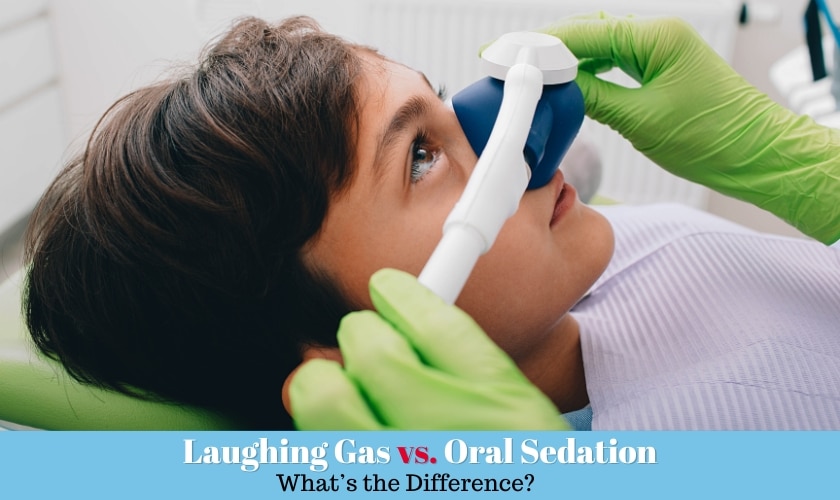
When undergoing dental procedures, many individuals experience anxiety. To alleviate these concerns, dentists often offer sedation options. Two common methods are laughing gas (nitrous oxide) and oral sedation. Understanding the differences between these two approaches can help you make an informed decision about which one is best suited to your needs.
What is Laughing Gas (Nitrous Oxide)?
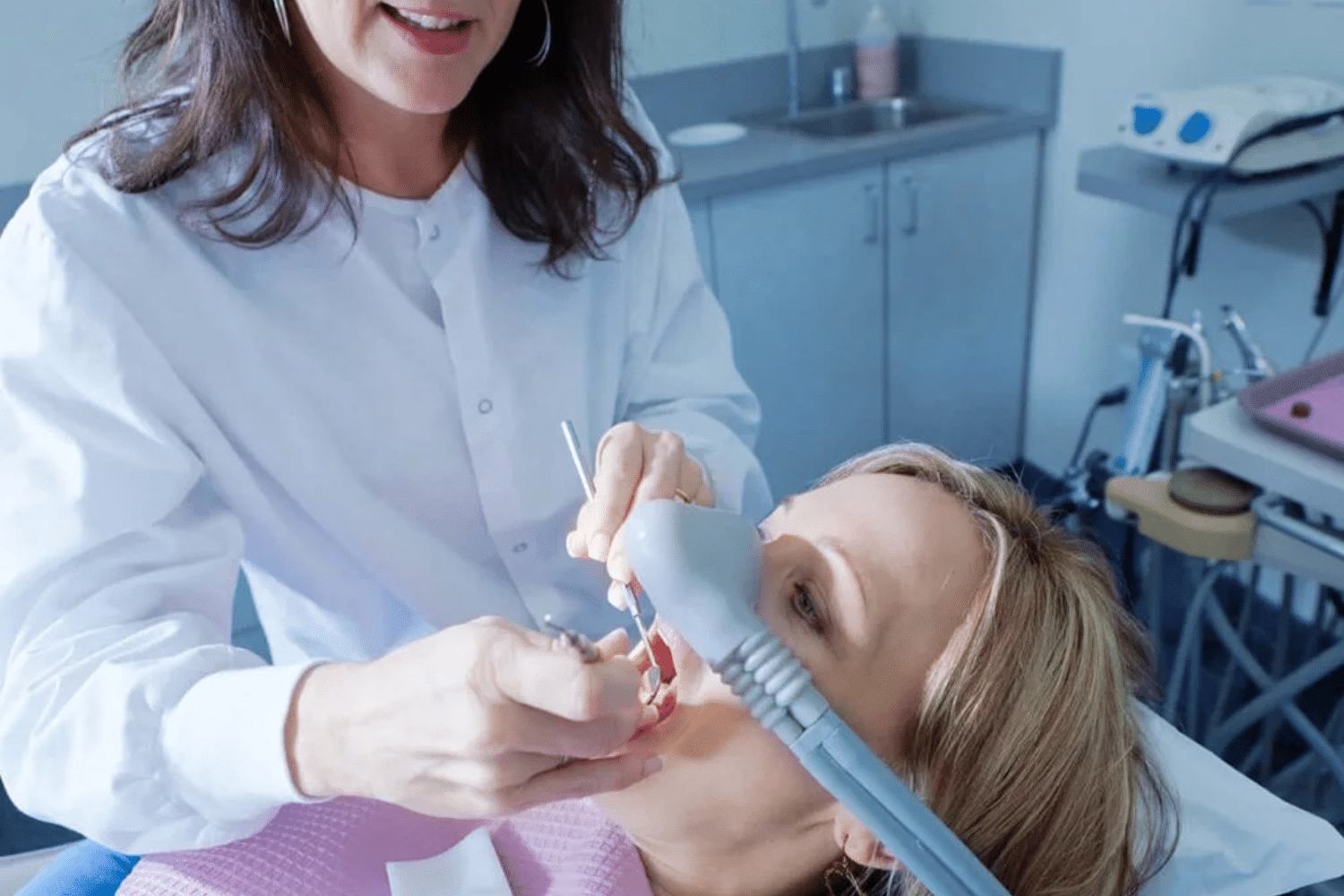
Laughing gas, scientifically known as nitrous oxide, is one of the most commonly used sedation methods in dentistry. It’s a colorless, odorless gas that helps to relax patients and alleviate anxiety during dental procedures. Laughing gas is administered through a mask placed over the nose, and patients inhale the gas throughout the treatment.
How It Works: Once inhaled, nitrous oxide begins to take effect within minutes, creating a sense of euphoria and calmness. Many patients report feeling light-headed, tingly, or pleasantly detached from their surroundings. While patients remain conscious and aware of what’s happening, they experience significantly reduced anxiety.
Advantages of Laughing Gas
- Quick Onset and Recovery: Nitrous oxide takes effect almost immediately and wears off quickly after the procedure. Patients can return to normal activities, such as driving, shortly after treatment.
- Adjustable Dosage: The dentist can easily adjust the dosage of nitrous oxide during the procedure to ensure the patient’s comfort.
- Minimal Side Effects: Laughing gas is a mild sedative and rarely produces adverse side effects. Any sensations of dizziness or nausea typically subside quickly.
Who Is It Best For? Laughing gas is ideal for patients who experience mild to moderate dental anxiety. It is also a good choice for those undergoing shorter, less invasive procedures. Because the sedative effects wear off rapidly, it is often recommended for patients who need to resume daily activities soon after the dental appointment.
What is Oral Sedation?
Oral sedation involves the administration of a sedative medication in pill form. These medications, often from the benzodiazepine family (like Valium or Halcion), are taken before the dental procedure to help patients relax. Depending on the dosage and the patient’s needs, oral sedation can produce varying levels of relaxation, from mild sedation to moderate sedation.
How It Works: Patients take the sedative pill about an hour before their dental appointment. The medication induces a state of calm and relaxation, making patients feel drowsy or groggy. Although most patients remain awake, some may become so relaxed that they doze off during the procedure.
Advantages of Oral Sedation
- Deeper Relaxation: Oral sedation offers a deeper level of relaxation compared to laughing gas. Patients feel more sedated and less aware of their surroundings.
- Longer-Lasting Effects: The calming effects of oral sedation last longer than nitrous oxide, making it suitable for lengthier or more complex dental procedures.
- Amnesic Effect: Many patients experience partial or full amnesia with oral sedation, meaning they have little to no memory of the procedure. This is ideal for those with intense dental anxiety.
Who Is It Best For? Oral sedation is a better option for patients with moderate to severe dental anxiety, those undergoing longer or more invasive procedures, and patients who prefer not to remember the dental treatment. Since the sedative effects can last several hours, patients will need someone to drive them to and from their appointments.
Laughing Gas vs. Oral Sedation: Key Differences
Now that you have an understanding of both methods let’s compare them based on several factors:
1. Level of Relaxation
- Laughing Gas: Provides mild relaxation. Patients remain fully awake and aware during the procedure.
- Oral Sedation: Offers a deeper level of relaxation. Patients may feel drowsy and have limited awareness of the procedure.
2. Onset and Duration
- Laughing Gas: This takes effect quickly and wears off just as fast, allowing patients to return to normal activities right away.
- Oral Sedation: Takes longer to kick in (around 30-60 minutes) and lasts longer after the procedure, requiring some post-treatment recovery time.
3. Control Over Sedation
- Laughing Gas: The dentist can easily control and adjust the dosage during the procedure to suit the patient’s comfort.
- Oral Sedation: The dosage is predetermined based on the patient’s needs and cannot be adjusted once administered.
4. Recovery Time
- Laughing Gas: Minimal recovery time is required. Patients can drive themselves home and resume regular activities immediately.
- Oral Sedation: Recovery may take several hours, and patients will need someone to assist them after the procedure.
5. Memory of the Procedure
- Laughing Gas: Patients will typically remember the entire procedure.
- Oral Sedation: Many patients experience little to no memory of the procedure, which can be a preferred feature for those with significant anxiety.
Tips for Choosing the Right Sedation Method
When deciding between laughing gas and oral sedation, consider the following:
- Your Level of Anxiety: For mild anxiety, laughing gas may be sufficient. If your fear is more intense, oral sedation could offer the relaxation you need.
- The Length and Complexity of the Procedure: Longer procedures may benefit from oral sedation, while shorter treatments could be managed with laughing gas.
- Your Recovery Needs: If you have other activities planned for the day and want a quick recovery, laughing gas might be the best choice. If you’re okay with taking time to rest after the procedure, oral sedation could be ideal.
A consultation with a sedation dentist in Lancaster is essential to determine the best sedation option for your individual needs. The dentist will evaluate your anxiety level, the complexity of the dental procedure, and your general health to recommend the most appropriate sedation method.
When to Consult a Professional
It’s important to talk to your dentist before deciding on a sedation method. Discuss your dental history, any medications you’re taking, and any concerns you have about sedation. Both laughing gas and oral sedation are considered safe when administered by a professional, but understanding how each method works will help you feel more confident and prepared for your next visit to the dentist.
Laughing gas and oral sedation each provide distinct advantages tailored to your specific needs and the dental procedure. A sedation dentist in Lancaster can help you select the most suitable option, ensuring a relaxed and comfortable dental experience.