EMERGENCy & NEW PATIENTS Welcome!

Modern Solution for Missing Teeth and Enhanced Oral Function


Missing teeth can be a source of embarrassment and even impairment in one’s ability to chew and speak properly. Fortunately, modern dentistry offers a range of solutions for individuals who are missing teeth. One such solution is implant dentistry, which involves surgically implanting artificial teeth into the jawbone. Implant dentistry offers several advantages over replacing missing teeth, such as bridges or dentures. In this article, we will explore the benefits of implant dentistry in detail and discuss why it is becoming the preferred choice for many people looking to restore their smile.
What is Implant Dentistry?
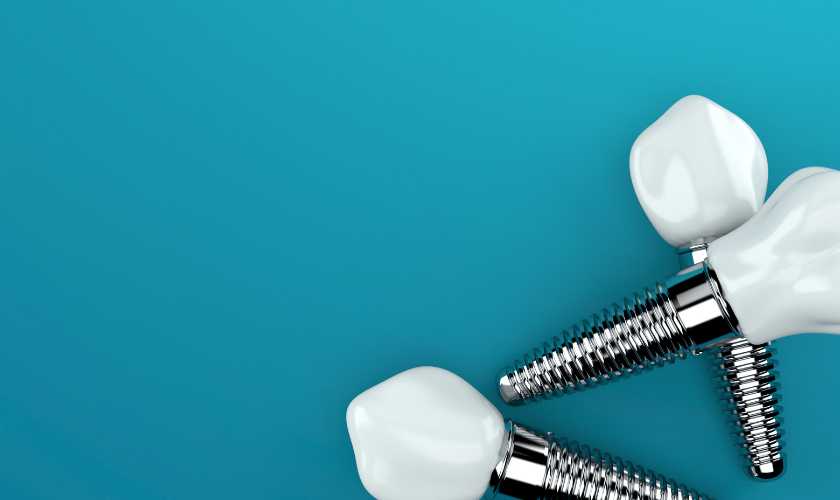
Implant dentistry is the branch of dentistry that deals with the placement and restoration of dental implants. Dental implants are artificial titanium roots surgically placed into the jawbone to support a replacement tooth or teeth. Implant dentistry can enhance your smile and oral function by providing a strong, stable foundation for your replacement teeth.
If you are missing one or more teeth, implant dentistry can provide you with a permanent, natural-looking solution. Dental implants look and feel like your teeth, allowing you to eat, speak, and smile confidently. Unlike traditional bridges and dentures, which can be unstable and uncomfortable, dental implants are designed to fuse with your bone, providing a secure foundation for your replacement teeth.
In addition to improving your appearance, implant dentistry can also help preserve your jawbone’s health. When you lose a tooth, the bone around that tooth begins to deteriorate. This can lead to further tooth loss and a change in the shape of your face. Dental implants help to stimulate bone growth and prevent further deterioration of the jawbone.
If you are considering dental implants, it is important to consult an experienced implant dentist who can assess your individual needs and create a treatment plan that is right for you.
The Different Types of Implants
There are three types of dental implants: endosteal, subperiosteal, and transosteal. Endosteal implants are the most commonly used type of implant. They are placed directly into the jawbone and are typically made of titanium. Subperiosteal implants are placed under the gum but on or above the jawbone. Transosteal implants are identified through the jawbone and protrude through the gum.
What Happens During Implant Surgery?
When you arrive for your implant surgery, you will be given a local anesthetic to numb the treatment area. Once the drug has taken effect, your dentist will make a small incision in your gums and place the implant post into your jawbone. Next, they will close up the incision with stitches and place a temporary dental prosthetic over the implant site.
The implant post will need to fuse to your jawbone, which can take several months. During this time, you must avoid putting excessive pressure on the implant site. Once the fusion process is complete, you will return to the dentist to have your permanent dental prosthetic placed on top of the implant post.
If you are looking for a way to replace your missing teeth without sacrificing your oral health or appearance, implant dentistry may be right for you! Implant dentistry is a revolutionary approach to replacing missing teeth and restoring optimal oral function. Using modern technology, implant dentists can provide patients with natural-looking dental implants that look and feel like their own healthy teeth. Not only does this restore aesthetics, but also the ability to chew and speak normally again.