EMERGENCy & NEW PATIENTS Welcome!

Why is one tooth implant so expensive?

Introduction to tooth implants
Welcome to our blog post discussing the hefty price tag of a tooth implant! If you’ve ever found yourself wondering why this dental procedure can be so expensive, you’re not alone. While it’s true that the cost of a single tooth implant may seem overwhelming at first glance, there are several factors that contribute to its price. In this article, we’ll explore why one tooth implant is so expensive and help shed light on the value it brings to your oral health. So let’s dive in and uncover the reasons behind those dollar signs!
The process of getting a tooth implant and why it is expensive
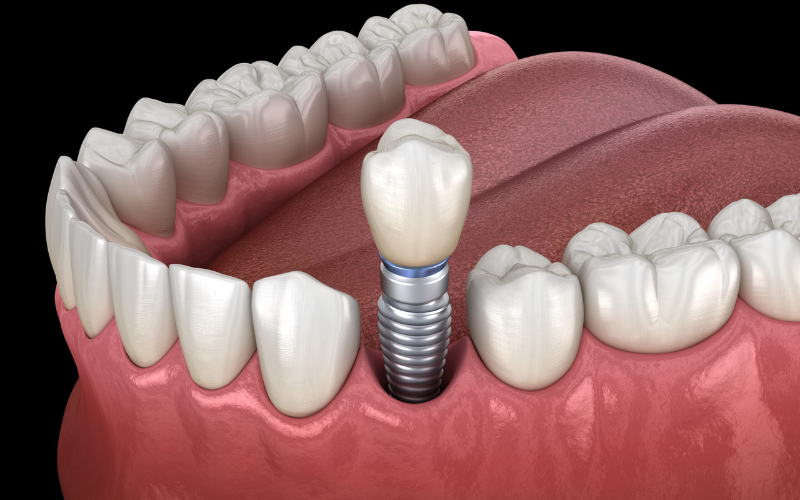
The process of getting a tooth implant can be complex and time-consuming. It typically involves multiple stages, from the initial consultation to the final placement of the implant.
First, your dentist will conduct a thorough examination of your mouth and take X-rays to assess the condition of your jawbone and surrounding teeth. This is crucial for determining if you are a suitable candidate for an implant.
If you are eligible, the next step is oral surgery to place the implant into your jawbone. This requires precision and skill, as the implant needs to be positioned correctly for optimal stability and function.
After this procedure, there is a healing period during which osseointegration takes place. This is when the bone fuses with the implant surface, ensuring a strong foundation for your replacement tooth.
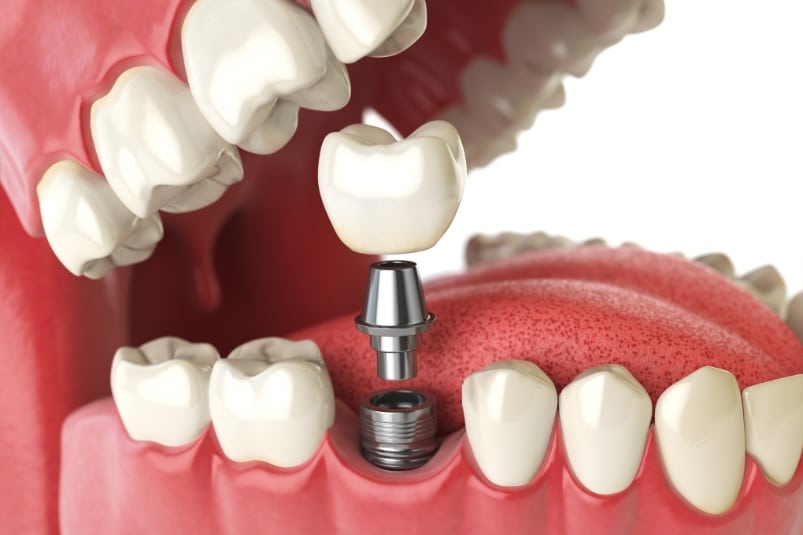
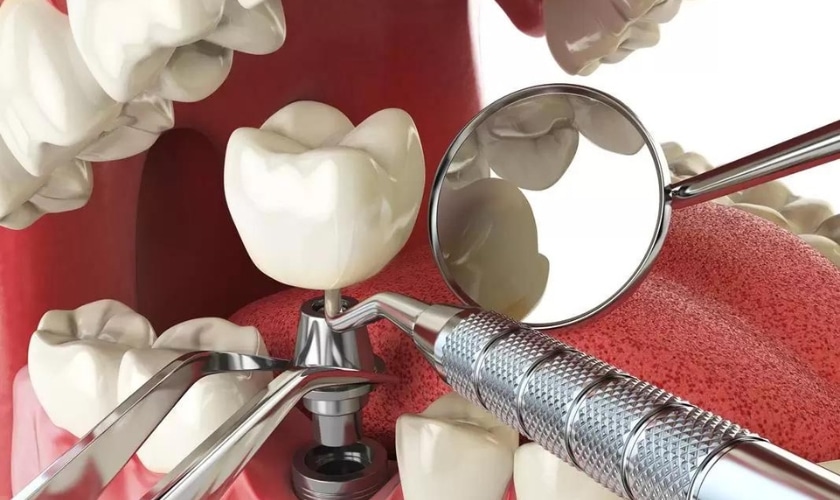
Once osseointegration is complete, an abutment (connector) is attached to the implant. This serves as a base for securing your custom-made crown or prosthetic tooth.
Each stage of this process requires specialized knowledge and expertise from dental professionals such as oral surgeons, prosthodontists, and dental technicians – all contributing to its overall cost.
Additionally, factors like materials used in manufacturing implants (often made from biocompatible titanium), state-of-the-art equipment required for diagnostics and surgical procedures also contribute to their higher expense.
While it may seem expensive upfront compared to other options like dentures or bridges; investing in a tooth implant can offer long-term benefits such as improved aesthetics, functionality, and durability that outweigh its initial cost – making it ultimately worth it in terms of quality of life.
Factors that contribute to the cost of a tooth implant
Factors that contribute to the cost of a tooth implant can vary depending on several key factors. One important factor is the materials used in the implant procedure. High-quality materials such as titanium, which is commonly used for dental implants , can be expensive. The cost also includes other components like abutments and crowns that are necessary for a successful implant.
Professional fees are another significant aspect that contributes to the overall expense of a tooth implant. The expertise and experience of the dentist or oral surgeon performing the procedure play an essential role in determining their fees. Skilled professionals who specialize in dental implants often charge higher fees due to their advanced training and knowledge.
Location is yet another factor influencing the cost of a tooth implant. Dental practices located in urban areas or regions with high living costs generally have higher overhead expenses, which may reflect in their pricing structure.
It’s important to note that these factors should not discourage individuals from considering tooth implants despite their higher upfront costs compared to other dental treatments like dentures or bridges. Tooth implants offer numerous long-term benefits, including improved aesthetics, enhanced chewing ability, and better oral health overall.
While traditional tooth implants may be costly upfront, there are alternative options available that could help manage expenses without compromising quality or effectiveness. Mini-implants or All-on-4 procedures are examples of alternatives that can provide more affordable solutions while still achieving desired results.
To manage the cost of a tooth implant effectively, it’s advisable to consult with your dentist about potential payment plans or financing options they offer. Some dental insurance policies may cover part of the expense as well. Additionally, maintaining good oral hygiene habits and visiting your dentist regularly can prevent complications and additional costs down the line.
the cost of a single tooth implant reflects various factors including material quality, professional fees based on expertise and location-related overheads.
A. Materials used
When it comes to the cost of a tooth implant, one factor that contributes significantly is the materials used in the procedure. Implants are typically made from biocompatible materials such as titanium or zirconia, which are known for their durability and ability to fuse with the jawbone.
The use of high-quality materials ensures that the implant can withstand daily biting and chewing forces without any issues. Titanium implants, in particular, have been widely used for many years due to their strength and compatibility with bone tissue.
In addition to the implant itself, other materials such as abutments and crowns also play a role in determining the overall cost. Abutments are connectors that attach to the implant and provide support for dental restorations like crowns or bridges. These too need to be made from durable materials like titanium or ceramic.
While these top-grade materials contribute to higher costs, they also offer long-lasting results. By investing in quality materials, patients can expect their tooth implants to function effectively for many years without needing replacement or repair.
While material costs do add up when getting a tooth implant, it is important to remember that this investment leads to improved oral health and enhanced quality of life.
B. Professional fees
Professional fees are another factor that contributes to the overall cost of a tooth implant. When you undergo a dental procedure, you are not only paying for the materials and equipment used but also for the expertise and skill of the professionals involved.
Dentists who specialize in implantology have undergone extensive training and education to perform these complex procedures. They possess specialized knowledge and skills that enable them to ensure successful outcomes for their patients. This level of expertise comes at a price.
In addition to the dentist’s professional fees, there may also be charges from other members of the dental team involved in your treatment, such as oral surgeons or prosthodontists. These professionals bring their own set of skills and experience to ensure that every aspect of your tooth implant is handled with precision and care.
It’s important to remember that when it comes to something as crucial as your oral health, investing in skilled professionals is worth it. Their expertise can help minimize complications during and after the procedure, ensuring a better long-term outcome.
While professional fees may contribute significantly to the cost of a tooth implant, they are necessary expenses given the complexity and specialized nature of this dental procedure. By choosing experienced professionals who prioritize patient satisfaction and safety, you can have peace of mind knowing that you’re receiving high-quality care throughout your journey towards restoring your smile.
C. Location
Location is another factor that can contribute to the cost of a tooth implant. Dental clinics in different areas may have varying overhead expenses, which can affect the overall price. For example, dental practices located in prime or high-rent areas may charge more for their services compared to those in less expensive locations.
Furthermore, the availability and accessibility of experienced implant specialists can also impact the cost. In areas with a limited number of qualified professionals, there may be higher demand for their services, resulting in increased prices.
Moreover, geographical factors such as local taxes and regulations can influence pricing as well. Different regions may have differing healthcare standards and requirements that dental clinics need to meet, potentially affecting treatment costs.
It’s important to consider these location-related factors when evaluating the cost of a tooth implant. While it might be tempting to choose a cheaper option in another area or even abroad, it’s crucial to prioritize quality and safety above all else when it comes to oral health procedures like dental implants.
Benefits of investing in a tooth implant despite the cost
When it comes to dental care, quality should always be prioritized over cost. Although tooth implants may come with a hefty price tag, they offer numerous benefits that make them worth the investment.
First and foremost, tooth implants provide a long-term solution for missing teeth. Unlike dentures or bridges which may need frequent adjustments or replacements, implants are designed to last a lifetime when properly cared for. This means you won’t have to worry about ongoing expenses associated with maintenance or replacements.
Furthermore, tooth implants function and feel just like natural teeth. They are firmly anchored into your jawbone, providing stability and preventing bone loss that can occur when teeth are missing. With an implant-supported restoration, you can enjoy normal speech and eating habits without any discomfort or embarrassment.
Another significant advantage of tooth implants is their ability to preserve facial structure. When teeth are lost, the jawbone begins to deteriorate due to lack of stimulation from chewing forces. This can lead to sagging facial features and premature aging. By opting for an implant, you can maintain your facial contours and keep your smile looking youthful.
Moreover, dental implants offer improved oral health by reducing the risk of gum disease and further tooth loss. Gaps left by missing teeth create spaces where food particles can get trapped and cause bacterial buildup. Implants fill these gaps seamlessly while promoting better oral hygiene practices.
Despite their initial cost,
tooth implants provide lasting benefits such as durability,
functionality,
facial structure preservation,
improved oral health,
and enhanced self-esteem.
By choosing an implant over cheaper alternatives,
you invest not only in your dental health but also in your overall well-being. So, if you’re considering a tooth implant
Alternatives to traditional tooth implants
While tooth implants are an effective and long-lasting solution for replacing missing teeth, they may not be the right option for everyone. Fortunately, there are alternative treatments available that can address various dental needs.
One alternative to traditional tooth implants is a dental bridge. This prosthetic device consists of one or more artificial teeth anchored by crowns on adjacent natural teeth. Dental bridges provide a stable and functional replacement for missing teeth, but they do require healthy neighboring teeth to support the bridge.
Another option is removable dentures. These prosthetic devices are custom-made to fit over your gums and replace multiple missing teeth. Removable dentures can restore your ability to chew and speak properly, but they may feel less secure compared to implants or bridges.
For those who prefer a non-invasive approach, dental bonding or veneers can be used to improve the appearance of a single missing tooth. While these options don’t actually replace the tooth root like an implant does, they can offer aesthetic benefits at a lower cost.
Additionally, mini-implants have emerged as another alternative for patients with limited bone density or who cannot undergo invasive surgery due to medical conditions. Mini-implants are smaller in diameter than traditional implants and often require less healing time.
It’s important to consult with your dentist about which alternative treatment might be best suited for your specific situation. Each option has its own advantages and limitations, so it’s crucial to weigh them carefully before making a decision.
Remember that while alternatives may offer temporary solutions or cost savings initially, investing in a high-quality tooth implant still provides unparalleled durability and functionality in the long run.
So if you’re considering alternatives to traditional tooth implants due to budget constraints or personal preferences, discuss all available options with your dentist before making a final decision on what treatment path is right for you!
Tips for managing the cost of a tooth implant
1. Research Different Options: Take the time to explore different dental clinics and implant specialists in your area. Prices can vary significantly, so comparing estimates is essential.
2. Consider Dental Tourism: If cost is a major concern, you might want to explore the possibility of traveling abroad for your tooth implant procedure. Many countries offer high-quality dental care at more affordable prices.
3. Look into Financing Options: Some dental clinics offer financing plans or payment options that allow you to spread out the cost of your tooth implant over time. This can make it easier to manage financially.
4. Check Your Insurance Coverage: Review your dental insurance policy to see if it covers any portion of the cost of a tooth implant. While coverage may be limited, every little bit helps when it comes to managing expenses.
5. Discuss Payment Plans with Your Dentist: Don’t hesitate to have an open conversation with your dentist about the cost of the procedure and ask if they offer any flexible payment plans or discounts for cash payments.
6. Prioritize Oral Health Maintenance: Taking good care of your oral health before and after getting a tooth implant can help prevent future issues that may require additional costly treatments.
Remember, while finding ways to manage costs is important, don’t compromise on quality or expertise when choosing a dentist or clinic for your tooth implant procedure.
While the cost of a tooth implant may seem high, it is important to understand that this investment goes beyond just restoring a missing tooth. It offers long-term benefits for your oral health and overall well-being.
The process of getting a tooth implant involves several factors that contribute to its expense. The materials used are typically of high quality and designed to last for many years. Additionally, the expertise and professional fees of dental specialists play a significant role in the overall cost.
Location can also impact the price, as certain areas may have higher overhead costs or different market demands.
Despite the initial financial commitment, investing in a tooth implant can provide numerous advantages. Not only does it restore your smile’s aesthetics and functionality but it also promotes better dental health by preventing bone loss and preserving neighboring teeth.
For those concerned about the cost, there are alternatives available such as dental bridges or dentures. However, these options may not offer the same longevity or natural appearance as implants.
If you’re considering getting a tooth implant but worried about managing the expenses, there are some tips you can follow. Researching different clinics and comparing prices can help you find more affordable options without compromising on quality. Additionally, discussing payment plans with your dentist or exploring insurance coverage might ease some financial burden.
Remember that each person’s case is unique when it comes to dental needs and budgetary constraints. Therefore, consulting with an experienced dental professional will ensure you receive personalized advice tailored to your specific situation.
So next time you hear about someone paying a hefty price for their single-tooth implant, remember all the elements involved in making this treatment successful – from top-notch materials to skilled professionals – which ultimately contribute to its worthiness.
Investing in yourself is never cheap; however, when it comes to something as vital as oral health and self-confidence, opting for one powerful solution like a single-tooth implant could be priceless!