EMERGENCy & NEW PATIENTS Welcome!

Beyond Brushing: Daily Habits That Can Prevent Gum Disease


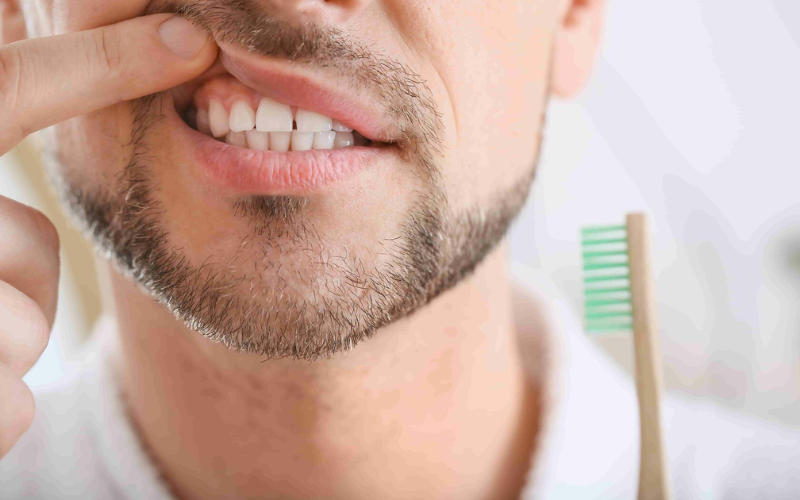
Gum disease, also known as periodontal disease, is a prevalent oral health concern affecting millions worldwide. It starts with gingivitis, a mild inflammation of the gums caused by plaque buildup. Left untreated, gingivitis can progress to periodontitis, a severe gum infection that damages the soft tissue and bone supporting your teeth, ultimately leading to tooth loss.
While brushing your teeth twice a day with fluoride toothpaste is the foundation of good oral hygiene, it’s not enough to guarantee healthy gums. Here, we delve beyond the toothbrush, exploring daily habits that can effectively prevent gum disease and safeguard your smile.
Flossing: Your Partner in Gum Health
Brushing primarily cleans the surfaces of your teeth. However, plaque and food particles can also accumulate between your teeth and below the gum line, where your toothbrush can’t reach. This is where flossing becomes crucial.
Flossing daily removes plaque and debris from these tight spaces, preventing gum inflammation and infection. Here are some flossing tips for optimal gum health:
- Choose the Right Floss: Opt for a soft, shred-resistant floss. Consider using superfloss or implant floss if you have dental implants or bridges.
- Proper Technique: Wrap about 18 inches of floss around your middle fingers of each hand, leaving a generous amount of floss in the middle. Gently guide the floss between your teeth using a back-and-forth sawing motion. Curve the floss around the base of each tooth to clean beneath the gum line.
- Flossing Frequency: Aim to floss at least once a day, ideally before bedtime.
Diet and Gum Health: A Powerful Connection
What you eat significantly impacts your oral health, including your gums. Sugary and processed foods create an acidic environment in your mouth, promoting the growth of bacteria that contribute to plaque buildup and gum inflammation. Here’s how your diet can influence gum health:
- Limit Sugary Foods: Reduce your intake of sugary drinks, candies, and pastries. These foods provide the perfect fuel for bacteria to thrive, leading to increased plaque and gum problems.
- Embrace Fruits and Vegetables: Fruits and vegetables are rich in vitamins and antioxidants, essential for maintaining healthy gums and promoting overall well-being.
- Calcium-Rich Foods: Calcium plays a vital role in bone health, including the jawbone that supports your teeth. Include dairy products, leafy green vegetables, and calcium-fortified foods in your diet.
- Stay Hydrated: Drinking plenty of water throughout the day helps flush out bacteria from your mouth and keeps your tissues healthily hydrated.
Don’t Forget Your Tongue!
The tongue can harbor bacteria that contribute to bad breath and gum disease. Brushing your tongue gently with your toothbrush or using a tongue scraper can help remove bacteria and freshen your breath.
Manage Stress: The Mind-Body Connection
Chronic stress can weaken your immune system, making you more susceptible to infections, including gum disease. Practice stress management techniques like meditation, yoga, or deep breathing exercises to maintain a healthy balance.
Regular Dental Visits: Prevention is Key
Schedule regular dental checkups and cleanings with your dentist, typically every six months. This allows your dentist to detect early signs of gum disease and intervene promptly with professional cleaning and treatment if necessary.
Quit Smoking: A Wise Choice for Your Smile
Smoking is a major risk factor for gum disease. The chemicals in cigarettes irritate the gums, hindering blood flow and hindering your body’s ability to fight off infection. Quitting smoking is one of the best things you can do for your overall health, including your gums.
Additional Habits for Healthy Gums
- Use Antibacterial Mouthwash: Consider using an antibacterial mouthwash as part of your oral hygiene routine. Choose one formulated for gum health and consult your dentist for recommendations.
- Change Your Toothbrush Regularly: Replace your toothbrush every three months, or sooner if the bristles become frayed. A worn-out toothbrush is less effective at removing plaque.
- Consider Interdental Brushes: For those with wider spaces between teeth, interdental brushes can be a helpful tool for removing plaque and debris unreachable with floss.
Gum disease is a preventable health concern. By incorporating these daily habits into your routine, you can significantly reduce your risk of gum disease and maintain healthy, happy gums for a lifetime. Remember, a healthy smile starts with a holistic approach to oral care.