EMERGENCy & NEW PATIENTS Welcome!

Can A Failed Dental Implant Be Repaired, Or Will It Need To Be Replaced?

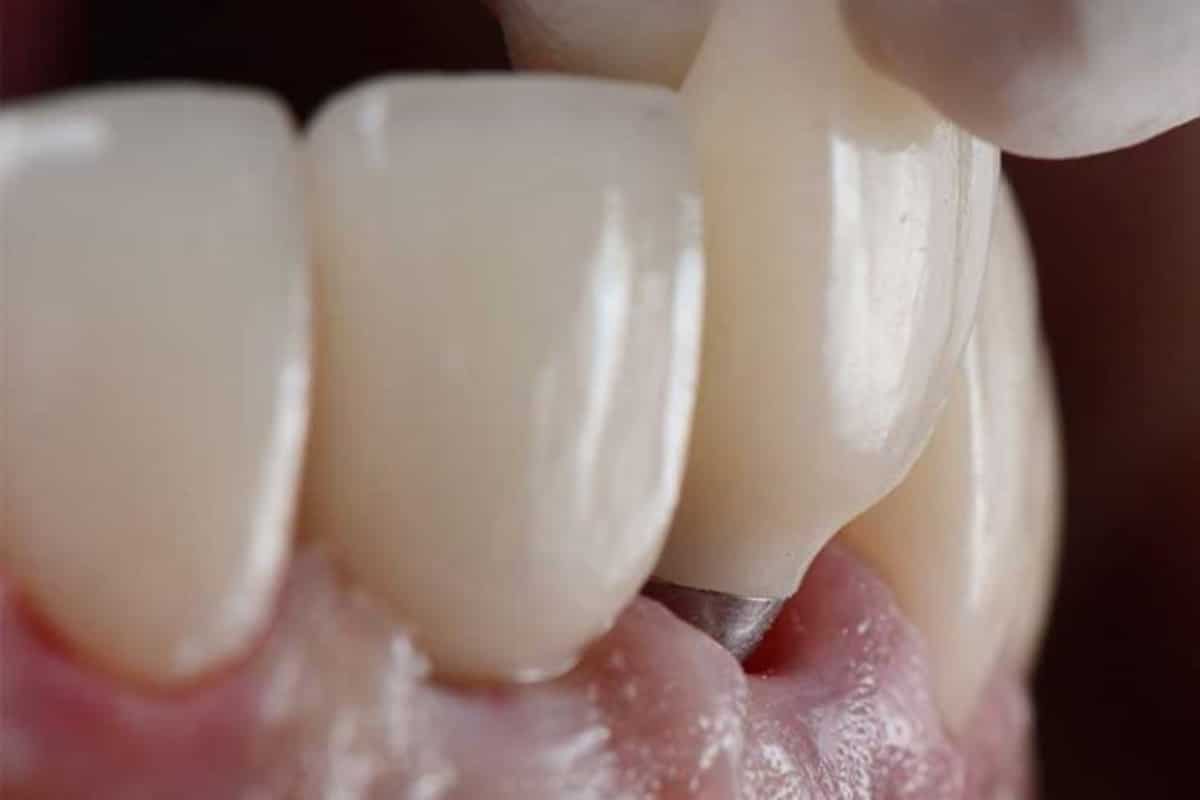
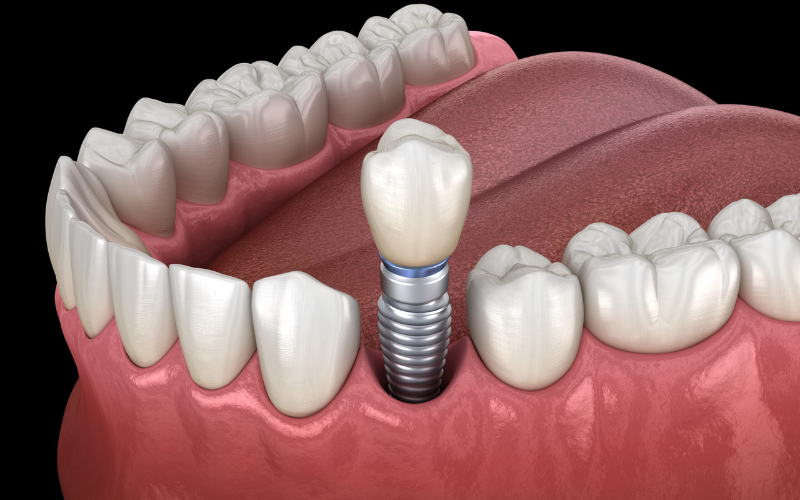
Dental implants are a preferred solution for missing teeth because of their longevity and realistic appearance. They offer a long-term fix and blend seamlessly with your existing teeth. However, despite their many benefits, complications can arise. Whether due to improper placement, infection, or other issues, a dental implant might not always perform as expected.
If you’re dealing with a problematic implant, you may be asking yourself if a failed dental implant can be repaired or if a complete replacement is necessary.
In this blog, we’ll delve into the factors affecting repair versus replacement and guide you through your options.
Signs of a Failed Dental Implant
Before addressing the repair or replacement of a failed dental implant, it’s crucial to recognize the signs that something might be wrong. Here are common indicators:
- Pain and Discomfort: Persistent pain around the implant site can suggest problems.
- Loose Implant: If the implant feels loose or shifts, it may not be properly integrated with the bone.
- Swelling and Infection: Swelling or signs of infection around the implant are red flags.
- Bone Loss: X-rays showing bone loss around the implant site can signal failure.
Can a Failed Dental Implant Be Repaired?
In some cases, a failed dental implant can be repaired, depending on the nature of the problem. Here are a few scenarios where repair might be possible:
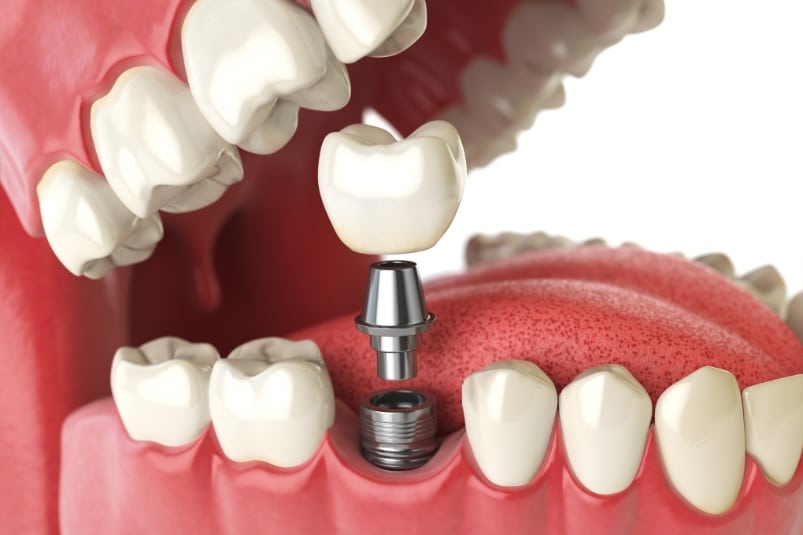
- Implant Loosening: If the implant is loose, the issue might be with the abutment (the connector between the implant and crown). A dentist can tighten the abutment or replace it.
- Gum Issues: For problems related to gum infection or inflammation, addressing the underlying infection and improving oral hygiene might resolve the issue.
- Minor Issues: If the implant has minor issues or misalignment, adjustments or additional treatments might restore functionality.
However, not all cases are suitable for repair. If the implant has failed due to severe bone loss or significant infection, repair might not be feasible. In such situations, a replacement may be necessary.
When Is Dental Implant Replacement Necessary?
If repair isn’t an option, replacing the failed implant might be the best course of action. Here are some common reasons why a replacement might be required:
- Severe Bone Loss: If there’s significant bone loss, the implant may not have a stable foundation. In such cases, bone grafting might be needed before placing a new implant.
- Persistent Infection: Chronic infections can compromise the implant and surrounding tissue. A new implant might be necessary once the infection is fully treated.
- Implant Failure: In some instances, the implant itself may be defective or fail due to issues with the material or placement.
What to Expect with Dental Implant Replacement?
Replacing a failed dental implant involves a few steps:
- Evaluation: Your dentist will assess the reasons for the failure and determine the best course of action.
- Bone Grafting: If necessary, bone grafting might be performed to rebuild the bone structure.
- New Implant Placement: Once the area is prepared, a new implant can be placed.
- Healing Time: Like the initial implant, the replacement will require time to integrate with the bone before a new crown is placed.
Preventing Future Dental Implant Failures
To avoid complications with dental implants, follow these tips:
- Regular Check-Ups: Make time for routine dental checkups to monitor the condition of your implants.
- Good Oral Hygiene: To keep your implants healthy and prevent infections, practice good oral hygiene.
- Healthy Lifestyle: Avoid smoking and follow a balanced diet to promote overall oral health.
Finding a Reliable Dentist
If you’re facing issues with your dental implants in Denver or anywhere else, choosing a knowledgeable dentist is crucial. They can assess the situation accurately and provide the best treatment options. Look for a dentist who:
- Has a Good Reputation: Research local dentists and read reviews from other patients.
- Offers Comprehensive Care: Ensure they provide full diagnostic and treatment services, including potential repairs or replacements.
- Communicates Clearly: A good dentist will explain the situation and treatment options clearly, helping you make informed decisions.
Making the Best Choice for Your Dental Health
Deciding whether a failed dental implant can be repaired or needs to be replaced depends on various factors, including the cause of the failure and the extent of the damage. While some issues can be resolved with repairs, others may necessitate replacement. Consulting with a knowledgeable dentist is essential to determine the best course of action for your specific situation. If you’re experiencing problems with dental implants in Denver, seek professional advice to ensure the best outcome for your dental health.