EMERGENCy & NEW PATIENTS Welcome!

Periodontal Treatments – Ephrata, PA
Treatment Options
If you have been diagnosed with gum disease, there are different treatment options available based on your specific situation and the severity of the issue. We typically begin with non-surgical treatments as the first step, but in severe cases, surgery may be required.

Non-Surgical Treatment
The best way to combat gum disease is through a specialized cleaning process known as "scaling and root planing." During this procedure, a high-tech cleaning tool is used to eliminate plaque and tartar from hard-to-reach areas such as under the gum line, on the tooth, and around the root. The tooth and root surfaces are then smoothed out to create a clean, healthy surface that promotes gum tissue reattachment.
If gum disease is caught early, scaling and root planing may be the only treatment necessary. However, proper aftercare is essential to maintain good oral health and prevent future gum disease. This includes daily brushing and flossing, a nutritious diet, avoiding tobacco, and regular dental checkups. Neglecting proper oral hygiene after scaling and root planing increases the risk of gum disease recurring.

Surgical Treatment Options
If the tissue or bone surrounding your teeth is too damaged for non-surgical treatment, there are various surgical procedures available to prevent further damage and restore a healthy smile. We will suggest the most suitable procedure based on the condition of your teeth and gums. Here are some common types of periodontal surgery:
Reducing Pocket Depth for Healthy Gums
Periodontal disease can cause damage to the tissues and bones surrounding the teeth, creating pockets where bacteria can collect and lead to further damage. Our pocket reduction procedures involve removing bacteria, plaque, and tartar from these pockets, as well as any damaged tissue. By reattaching healthy tissue to the teeth, we can help prevent tooth loss and promote gum health.
Regeneration
If severe gum disease has caused loss of bone and tissue supporting the teeth, we can restore these areas through a regeneration procedure. This involves folding back the gum tissue, removing bacteria, plaque, and tartar, and then either performing a bone graft to stimulate new bone growth or applying a special protein to stimulate tissue growth and repair the damaged areas.
Soft-Tissue Graft
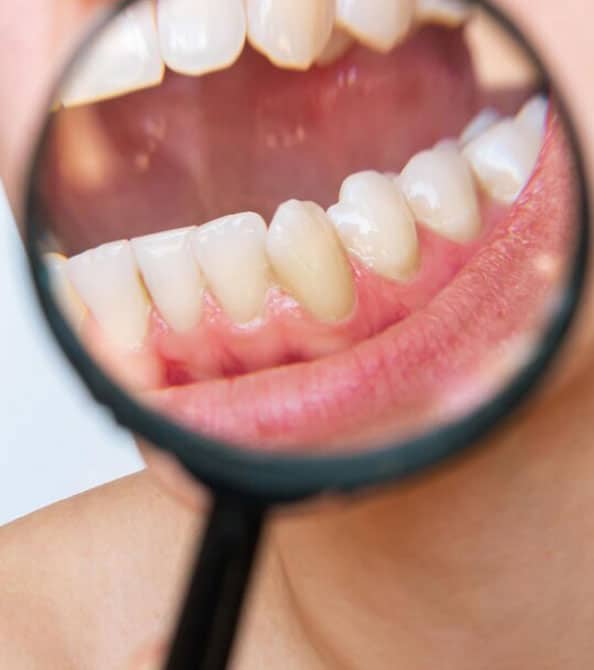
Gum disease often leads to gum recession, where the roots of the teeth become exposed. This can cause teeth to appear longer and increase sensitivity to hot or cold substances. It also leaves the tooth vulnerable to damage from bacteria, plaque, and tartar.
A soft-tissue graft involves sewing tissue from the roof of the mouth or another source onto the gums to cover the roots and restore the gum line to its original, healthy position. This procedure can also be done for cosmetic purposes.