EMERGENCy & NEW PATIENTS Welcome!

The Science Behind Implant Dentistry: How it Works

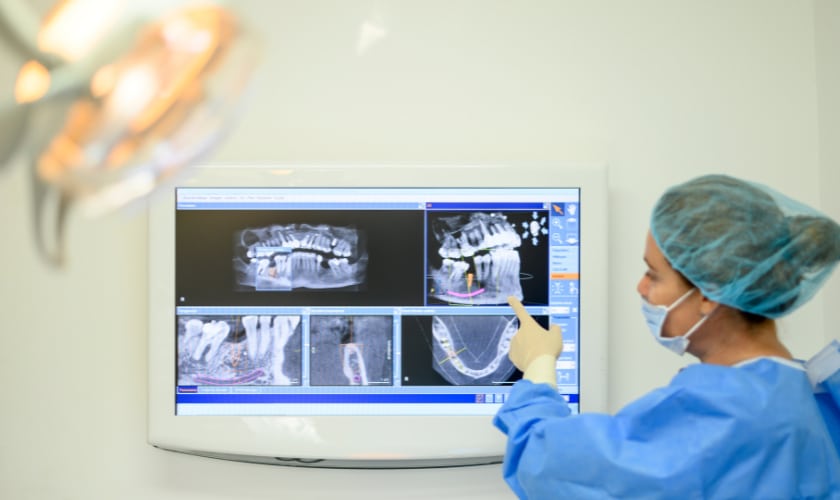
Are you curious about the incredible advancements in modern dentistry? Look no further than implant dentistry. If you’ve ever wondered how dental implants work, this blog post will explore the science behind this innovative procedure. From materials used to techniques employed by skilled professionals, we’ll explore everything that goes into restoring your smile and improving your oral health with implant dentistry. Join us on a journey through the fascinating world of implant dentistry!
What Is Implant Dentistry?
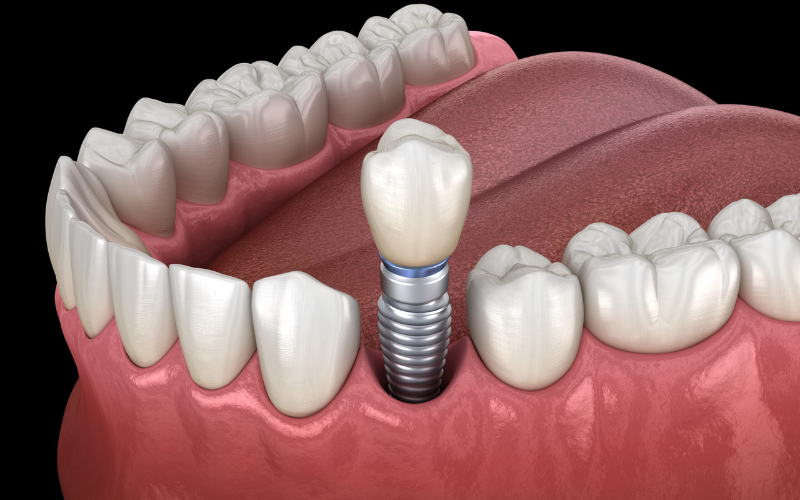
Implant dentistry is a field of dentistry that focuses on the placement of dental implants. Dental implants are artificial titanium roots placed into the jawbone to support a dental prosthetic, such as a crown, bridge, or denture. Implant dentistry is a relatively new field that has only existed for about 50 years. The first thing that needs to be done in implant dentistry is thoroughly evaluating the patient’s mouth. This includes taking x-rays and impressions (molds) of the teeth. The next step is to place the implant into the jawbone. This is done through surgery and usually takes about an hour. Once the implant is in place, it takes about two to six months to fuse with the bone.
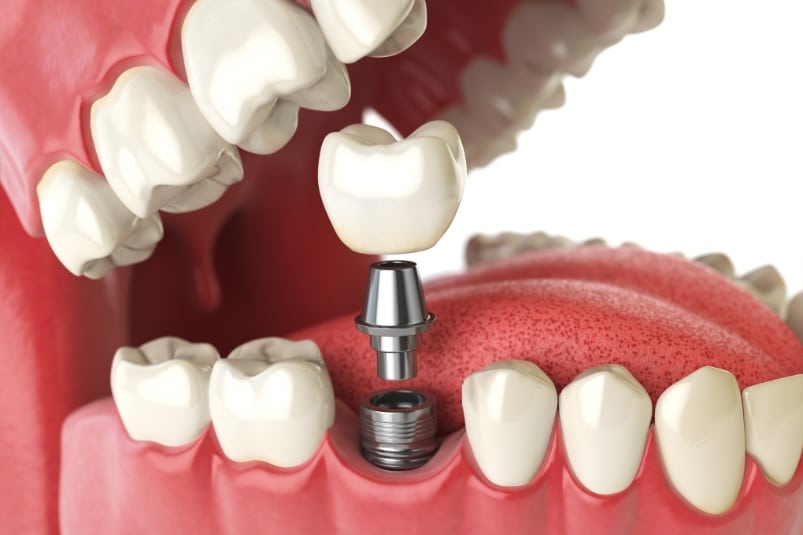
After the implant fuses with the bone, the next step is to place the abutment, a connector piece that attaches the implant to the dental prosthetic. Finally, the dental prosthetic (crown, bridge, or denture) is placed on the abutment. Implant dentistry can replace one tooth, several teeth, or all of the teeth. It is a very effective way to restore chewing function and improve appearance.
How Dental Implants Work
Dental implants are replacement tooth roots. Implants provide a strong foundation for permanent or removable replacement teeth that are made to match your natural teeth.
The implant is placed into the jawbone and allowed to heal. During this time, the bone will grow around the implant, anchoring it securely. Once the implant has bonded with the bone, a small connector post — called an abutment — is placed on top of the implant. The abutment connects the implant to the replacement tooth or teeth (a crown).
Implants can support a single tooth, several teeth, or a complete set of dentures.
The Benefits Of Dental Implants
Dental implants are considered the gold standard in tooth replacement. Not only do they look and feel like your natural teeth, but they also function just like them. Implants are anchored into your jawbone, providing a secure and stable base for artificial teeth.
There are many benefits to choosing dental implants over other tooth replacement options, such as:
- Dental implants are permanent and will not need to be replaced like dentures or bridges.
- Implants are solid and durable, allowing you to eat all your favorite foods without worry.
- With proper care, dental implants can last a lifetime.
- Dental implants improve your oral health by preventing bone loss in the jaw.
Are Dental Implants Right For You?
Dental implants are a popular and effective tooth replacement option for many people. They are made to look and function like natural teeth and can last a lifetime with proper care. But not everyone is a good candidate for dental implants. Factors that can affect whether or not dental implants are right for you include:
-The health of your jawbone:
Dental implants require a strong and healthy jawbone to be successful. If you have had tooth loss, your jawbone may have shrunk or weakened over time. This can make it difficult for dental implants to fuse properly with your jawbone, leading to implant failure.
-Your oral health:
People with certain medical conditions, such as diabetes or periodontal disease, may not be good candidates for dental implants because these conditions can affect healing and increase the risk of infection.
-Your lifestyle:
People who smoke or drink heavily are also at increased risk for implant failure due to the reduced blood supply to the area and the potential for damaging the implant site with tobacco use or excessive biting forces from bruxism (teeth grinding).
If you are considering dental implants, talk to your dentist about whether they suit you.
Source – Dental Health Society
How To Care For Your Dental Implants
Dental implants are a great way to improve your smile and confidence. However, like any dental treatment, taking care of your implants is essential to ensure longevity. Here are some tips on how to care for your dental implants:
-Brush and floss regularly. This will help remove plaque and bacteria around the implant and prevent gum disease.
-See your dentist or oral surgeon for regular checkups and cleanings. They can check for any signs of infection or problems with the implant.
-Avoid hard or chewy foods. Hard or chewy foods can damage or loosen the implant from the jawbone. Stick to soft foods or cut up hard foods into small pieces.
-Quit smoking. Smoking can increase the risk of implant failure and infection. If you smoke, talk to your dentist about ways to quit.
Implant dentistry is an excellent option for replacing missing teeth and restoring the natural aesthetic of your smile. By understanding how it works, you can be confident that this treatment will give you the best possible results. The process is straightforward and relatively fast, so if you want dental implants, this could be a great option! With implant dentistry, you receive reliable results with long-term effects and fast, painless procedures that result in attractive smiles without extensive restorative treatments.