EMERGENCy & NEW PATIENTS Welcome!

How Sedation Dentistry is Transforming Oral Care in 2024


The field of dentistry has seen significant advancements over the years, and one of the most transformative developments is sedation dentistry. As we move into 2024, sedation dentistry continues to revolutionize oral care, making dental procedures more comfortable and accessible for patients. This blog post explores how sedation dentistry is changing the landscape of dental care, its benefits, types, and what patients can expect.
Understanding Sedation Dentistry
Sedation dentistry involves the use of medication to help patients relax during dental procedures. It is sometimes referred to as “sleep dentistry,” although this term is not entirely accurate. Most patients are awake but in a deeply relaxed state, depending on the level of sedation used.
Types of Sedation Dentistry
Sedation dentistry encompasses several types of sedation, each suited for different levels of anxiety and procedural requirements. Here are the primary types:
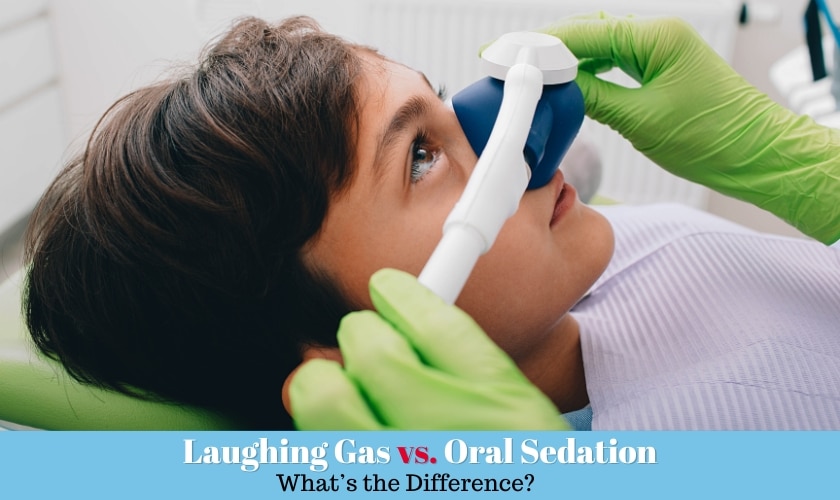
1. Nitrous Oxide (Laughing Gas)
Nitrous oxide is a mild sedative that is inhaled through a mask placed over the nose. It induces a state of relaxation and euphoria, making it easier for patients to undergo dental procedures. Nitrous oxide is popular because it wears off quickly, allowing patients to drive themselves home after the appointment.
2. Oral Sedation
Oral sedation involves taking a pill, typically from the benzodiazepine family, before the procedure. Depending on the dose, it can provide mild to moderate sedation. Patients may feel drowsy and relaxed but are usually still awake and able to respond to instructions. Oral sedation requires someone to accompany the patient and drive them home post-procedure.
3. Intravenous (IV) Sedation
IV sedation delivers a sedative directly into the bloodstream, resulting in a deeper level of sedation. Patients are often in a semi-conscious state and may not remember much of the procedure. IV sedation requires careful monitoring by the dental team and is suitable for more complex or lengthy procedures.
4. General Anesthesia
General anesthesia induces a state of complete unconsciousness and is typically reserved for extensive dental surgeries or patients with severe anxiety or special needs. It requires a trained anesthesiologist to administer and monitor the anesthesia.

Benefits of Sedation Dentistry
Sedation dentistry offers numerous benefits, making it an increasingly popular choice for patients and dentists alike. Here are some of the key advantages:
1. Reduces Anxiety and Fear
Dental anxiety is a common issue that prevents many people from seeking necessary dental care. Sedation dentistry helps alleviate this fear, making it easier for patients to undergo procedures they might otherwise avoid.
2. Increases Comfort
Sedation allows patients to remain comfortable and relaxed throughout the procedure. This is particularly beneficial for patients with a low pain threshold or those undergoing lengthy or complex treatments.
3. Facilitates Complex Procedures
For more extensive dental work, such as oral surgery or multiple treatments in one visit, sedation dentistry ensures that the patient remains still and calm, allowing the dentist to work more efficiently.
4. Minimizes Gag Reflex
A strong gag reflex can make dental procedures difficult for both the patient and the dentist. Sedation helps suppress the gag reflex, enabling smoother and more effective treatment.
5. Improves Cooperation
Children and patients with special needs who may have difficulty sitting still can benefit from sedation, which helps them remain calm and cooperative during dental visits.
Advances in Sedation Dentistry in 2024
As we progress through 2024, several advancements in sedation dentistry are enhancing patient care and outcomes. Here are some notable developments:
1. Improved Sedation Techniques
Ongoing research and development have led to more refined sedation techniques, resulting in better control over sedation levels and fewer side effects. These advancements ensure that patients receive the optimal amount of sedation for their needs, enhancing safety and comfort.
2. Enhanced Monitoring Technology
Modern sedation dentistry relies on advanced monitoring technology to track patients’ vital signs and sedation levels in real time. These improvements enhance patient safety and allow dental professionals to make adjustments as needed during the procedure.
3. Personalized Sedation Plans
With the integration of artificial intelligence (AI) and machine learning, dentists can now create personalized sedation plans tailored to each patient’s medical history, anxiety levels, and procedural requirements. This individualized approach ensures more effective and safer sedation experiences.
4. Wider Accessibility
The growing acceptance and understanding of sedation dentistry are making it more accessible to a broader range of patients. Insurance companies are increasingly recognizing the importance of sedation dentistry and expanding coverage for these services.
5. Educational Initiatives
Educational initiatives aimed at both dental professionals and the public are helping to demystify sedation dentistry. These programs emphasize the benefits and safety of sedation, encouraging more patients to consider it as a viable option for their dental care.
What Patients Can Expect with Sedation Dentistry
Understanding what to expect can help alleviate any concerns about sedation dentistry. Here is a general overview of the process:
Before the Procedure
- Consultation: The dentist will conduct a thorough consultation to assess the patient’s medical history, anxiety levels, and specific dental needs. This helps determine the most appropriate type of sedation.
- Pre-Sedation Instructions: Patients will receive instructions on how to prepare for the sedation. This may include fasting for a certain period and arranging for someone to accompany them to and from the appointment.
During the Procedure
- Administration of Sedation: Depending on the type of sedation, it will be administered through inhalation, oral medication, or IV. The dentist will closely monitor the patient’s vital signs and sedation levels throughout the procedure.
- Dental Treatment: Once the sedation takes effect, the dentist will perform the necessary dental treatment. Patients will be in a relaxed state, with little to no memory of the procedure.
After the Procedure
- Recovery: After the procedure, patients will be monitored until the effects of the sedation begin to wear off. This is especially important for those who have undergone deeper levels of sedation.
- Post-Sedation Care: Patients will receive post-sedation care instructions, including advice on managing any residual effects and when to resume normal activities. For those who received deeper sedation, it is crucial to have someone drive them home and stay with them for a few hours.
Safety Considerations in Sedation Dentistry
While sedation dentistry is generally safe, it is essential to consider some safety aspects:
- Qualified Professionals: Ensure that the dental team is qualified and experienced in administering sedation. This includes training in emergency protocols.
- Pre-Sedation Assessment: A comprehensive pre-sedation assessment should be conducted to identify any potential risks or contraindications.
- Informed Consent: Patients (or their guardians) should be fully informed about the sedation process, potential risks, and benefits before consenting to the procedure.
- Post-Sedation Monitoring: Close monitoring during and after the procedure is crucial to ensure patient safety and manage any adverse reactions promptly.
The Future of Sedation Dentistry
Looking ahead, sedation dentistry is poised to continue transforming oral care. Here are some potential future developments:
1. Integration with Digital Dentistry
The integration of sedation dentistry with digital dentistry technologies, such as 3D imaging and CAD/CAM systems, will enhance the precision and efficiency of dental procedures, further improving patient outcomes.
2. Telehealth Consultations
Telehealth consultations for sedation dentistry assessments and follow-ups will become more common, providing greater convenience for patients and expanding access to specialized care.
3. Enhanced Patient Education
Advancements in virtual reality (VR) and augmented reality (AR) can offer immersive educational experiences, helping patients understand the sedation process and feel more at ease.
4. Personalized Medicine
Continued advancements in personalized medicine will enable even more tailored sedation plans based on genetic, metabolic, and psychological profiles, ensuring the safest and most effective sedation experiences.
Sedation dentistry is transforming oral care in 2024, making dental procedures more comfortable, accessible, and efficient for patients of all ages. By reducing anxiety, increasing comfort, and facilitating complex procedures, sedation dentistry is helping more people achieve and maintain optimal oral health.