EMERGENCy & NEW PATIENTS Welcome! - New Holland

Gum Disease – New Holland, PA
Gum Disease
Periodontal disease, also known as gum disease, is a common infection that affects the gums around your teeth. It is a leading cause of tooth loss in adults and can be difficult to identify since it typically does not cause pain. Your dentist will assess for signs of gum disease during routine checkups by measuring the space between your teeth and gums.

What causes gum disease?
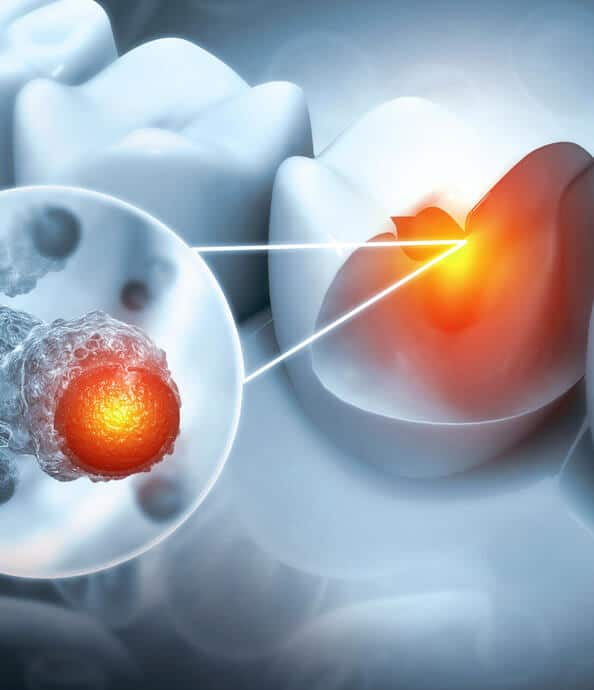
Plaque buildup on the teeth is the main cause of gum disease. If not properly removed through regular flossing, brushing, and dental checkups, plaque can release toxins that harm the gums. Periodontal disease develops below the gum line, forming pockets that separate the gums from the teeth. This disease advances through two stages: gingivitis and periodontitis.
- Gingivitis, the initial stage of gum disease, is characterized by red, swollen gums that bleed easily. With regular brushing and flossing, gingivitis can be effectively treated and often eliminated entirely.
- Failure to treat gingivitis can result in the advancement to periodontitis, which can cause permanent harm to the gums and the bone that supports the teeth. Periodontitis may result in teeth becoming loose, falling out, or needing to be removed by a dentist.

Certain factors can increase a patient's risk of developing periodontal disease, including:
Avoid smoking or using chewing tobacco.
Diabetes
Certain medications, such as steroids, anti-epilepsy drugs, cancer therapy drugs, calcium channel blockers, and oral contraceptives, can produce distinct effects on the body.
Bridges that are no longer the right size
Teeth that are not straight
Old fillings
Pregnancy
While it is possible to have periodontal disease and not know it, some symptoms can include:
- Easily bleeding gums
- Gums that are red, swollen, and tender
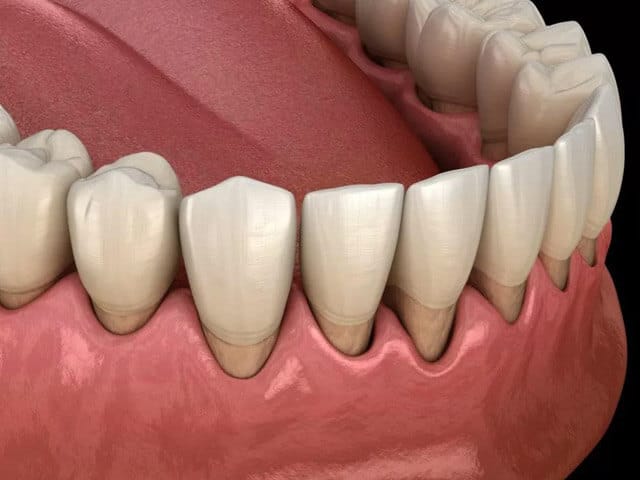
- Teeth with receding gums
- Persistent halitosis or unpleasant taste in the mouth
- There is pus between your teeth and gums.
- Loose or separating permanent teeth
- If there is any alteration in the way your teeth align when you bite
- If there are any changes in the fit of your partial dentures

Treating Gum Disease
Various treatment options are available for gum disease, and the specific method selected depends on the severity of the case. Some typical treatments include:
- Non-invasive treatments such as scaling and root planing (deep cleaning) are available.
- Services offered include periodontal surgery and laser gum surgery
- Dental implants

Preventing Gum Disease
Regular dental checkups and periodontal examinations are essential for maintaining both your overall health and the health of your smile. By consistently practicing good oral hygiene habits at home, such as brushing, flossing, and eating a balanced diet, you can significantly lower your risk of developing gum disease. Don't forget to schedule regular dental visits to ensure your smile stays healthy and bright.