EMERGENCy & NEW PATIENTS Welcome!

Post-Treatment Care for Gum Disease: How to Prevent Relapse?

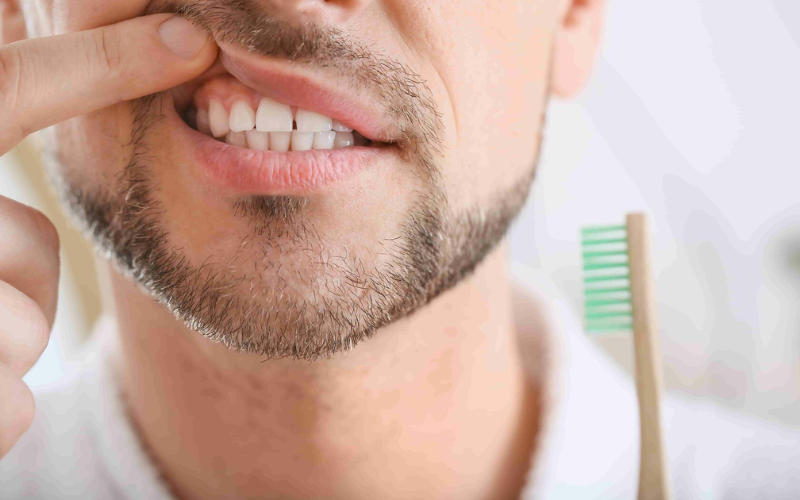
Although gum disease treatment is a significant initial step, maintaining long-term gum health requires more than just this. In order to keep your oral health and avoid recurrence, post-treatment maintenance is essential. Nearly 47% of persons 30 years of age and older have some kind of periodontal disease, according to the Centers for Disease Control and Prevention (CDC).
The chance of recurrence is still high in the absence of appropriate post-treatment care. How can you protect your smile, then? Have a look at the practical methods to stop gum disease from returning.
Why Post-Treatment Care Matters?
Although the illness can be eradicated by professional procedures like scaling and root planing or periodontal surgery, they do not prevent further gum problems. Unchecked plaque accumulation, poor oral hygiene, or underlying medical issues might lead to relapse.
Avoid Relapsing Gum Disease With These Steps
Maintain a Strong Oral Hygiene
When it comes to dental hygiene, consistency is essential. After receiving treatment for gum disease, make sure you maintain these daily routines:
Use a toothbrush with gentle bristles to brush twice a day. To preserve your gums and improve your enamel, use fluoride toothpaste. To get rid of plaque from places your toothbrush can’t reach, floss every day. To lessen dangerous microorganisms, rinse your mouth with an antibacterial mouthwash.
Make an appointment for routine dental exams
When it comes to keeping an eye on the health of your gums, dentist is essential. In order to avoid plaque accumulation and identify early indications of relapse, you could require more frequent cleanings after therapy, perhaps every 3 to 4 months.
Make The Diet Gum-Healthy
Your diet has an impact on your gum health. Add these to your diet:
- Foods high in vitamin C, such as strawberries and oranges, can help to strengthen your gums.
- Sources of calcium (almonds, cheese, and milk) to strengthen bones and teeth.
- Leafy greens, such as kale and spinach, for their ability to reduce inflammation.
- Don’t take sugary snacks and beverages because they can cause gum disease by feeding dangerous bacteria.
Give Up Smoking
One of the main risk factors for recurrent gum disease is smoking. Your immune system is weakened, which makes it more difficult for your gums to recover from infections. Giving up smoking can have a major positive impact on your oral health.
Handle Any Underlying Medical Conditions
Diabetes is one condition that can increase your risk of developing gum disease. Maintaining healthy blood sugar levels might help your body fight off microorganisms and minimize inflammation.
Gum disease treatment recovery requires continued adherence to healthy practices and seeking medical attention; therapy is not the end of the road. You can safeguard your gums and avoid a relapse by maintaining a strict oral hygiene regimen, eating a diet that is good for your gums, and visiting our dentist on a regular basis.
Remember, you should take care of your smile for the rest of your life. Let’s prioritize post-treatment care.