EMERGENCy & NEW PATIENTS Welcome! - Reading

Sleep Apnea – Reading, PA
Sleep Apnea
If you are experiencing unexplained daytime fatigue, loud snoring, or waking up breathless in the middle of the night, you could be one of the 12 million Americans suffering from sleep apnea.

What is sleep apnea?
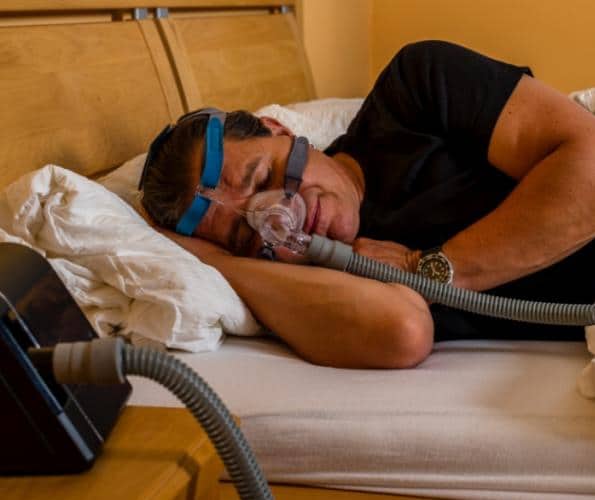
Sleep apnea is a condition where breathing stops repeatedly during sleep, leading to a temporary decrease in oxygen levels that triggers brief awakenings to resume normal breathing. This cycle of waking up and falling back asleep disrupts deep sleep, leading to daytime tiredness. Many people with sleep apnea are unaware of these interruptions and mistakenly believe they are getting restful sleep.
What are the signs of sleep apnea?
If you are experiencing any of the symptoms listed above, it could indicate sleep apnea. Please contact our practice for a thorough evaluation.
- Struggling to fall asleep or dealing with insomnia?
- Loud snoring at night.
- I am having difficulty breathing when I wake up at night.
- Be alert for snorting or choking sounds during the night, as they could signal a resumption of breathing.
- I have been having headaches when I wake up in the morning.
- Accidentally falling asleep during the day
- I am constantly feeling very tired throughout the day.
Are there different types of sleep apnea?
Sleep apnea comes in three types: obstructive sleep apnea (OSA), caused by a physical blockage in the throat and the most common; central sleep apnea (CSA), caused by a lack of proper signals from the brain to the breathing muscles and less common; and a combination of both, known as "mixed" or "complex" sleep apnea.
What are risk factors for sleep apnea?
Obstructive sleep apnea is more prevalent in men than women and tends to impact older adults (40+) more than younger adults and children. However, sleep apnea can affect individuals of any gender or age. Risk factors include obesity, smoking, alcohol use, sedative or tranquilizer use, and family history. Central sleep apnea is most common in individuals with heart disorders, neuromuscular disorders, strokes, or brain tumors.
How is sleep apnea treated?
The treatment for sleep apnea may differ depending on the severity of the condition and the type of apnea. Mild cases may benefit from behavioral treatments such as weight loss, quitting smoking, and changing sleep positions. Oral devices can also help prevent throat blockage. In more severe cases, surgery may be necessary.
What should I do if I suspect that someone in my family suffers from sleep apnea?
Please reach out to our office for a referral to a sleep apnea specialist. The specialist may suggest a sleep study to accurately diagnose the severity of your condition and recommend suitable treatment. Treatment options may include a customized oral device tailored to your specific needs.