EMERGENCy & NEW PATIENTS Welcome!

Should I Brush My Teeth After Using Whitening Strips?


Whitening strips have become a popular solution for those seeking a brighter smile without the expense and hassle of professional treatments. However, an often-asked question is: Should you brush your teeth after using whitening strips? Let’s dive into the topic, considering the pros and cons, expert recommendations, and best practices to ensure your teeth whitening journey is effective and safe.
Understanding Teeth Whitening Strips
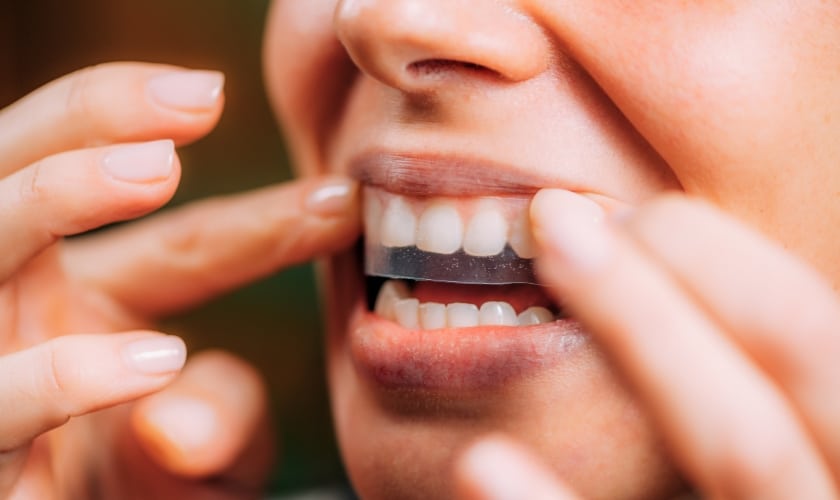
Teeth whitening strips are thin, flexible pieces of plastic coated with a whitening gel containing hydrogen peroxide or carbamide peroxide. These strips are designed to adhere to your teeth, allowing the peroxide to penetrate the enamel and bleach discolored molecules. The convenience and affordability of whitening strips make them a popular choice for at-home teeth whitening.
The Teeth Whitening Process
Before deciding whether to brush your teeth after using whitening strips, it’s important to understand how these products work. When you apply whitening strips, the peroxide in the gel begins to break down, releasing oxygen molecules. These molecules penetrate your enamel and break apart stains on your teeth, making them appear whiter.
Should You Brush Before Using Whitening Strips?
Brushing your teeth before applying whitening strips is generally recommended. This ensures that your teeth are clean and free from any debris that could block the whitening agent from working effectively. Use a fluoride toothpaste and a soft-bristled toothbrush to gently clean your teeth and gums. However, avoid using toothpaste that contains harsh abrasives, as they can irritate your gums and make them more sensitive to the whitening agents.
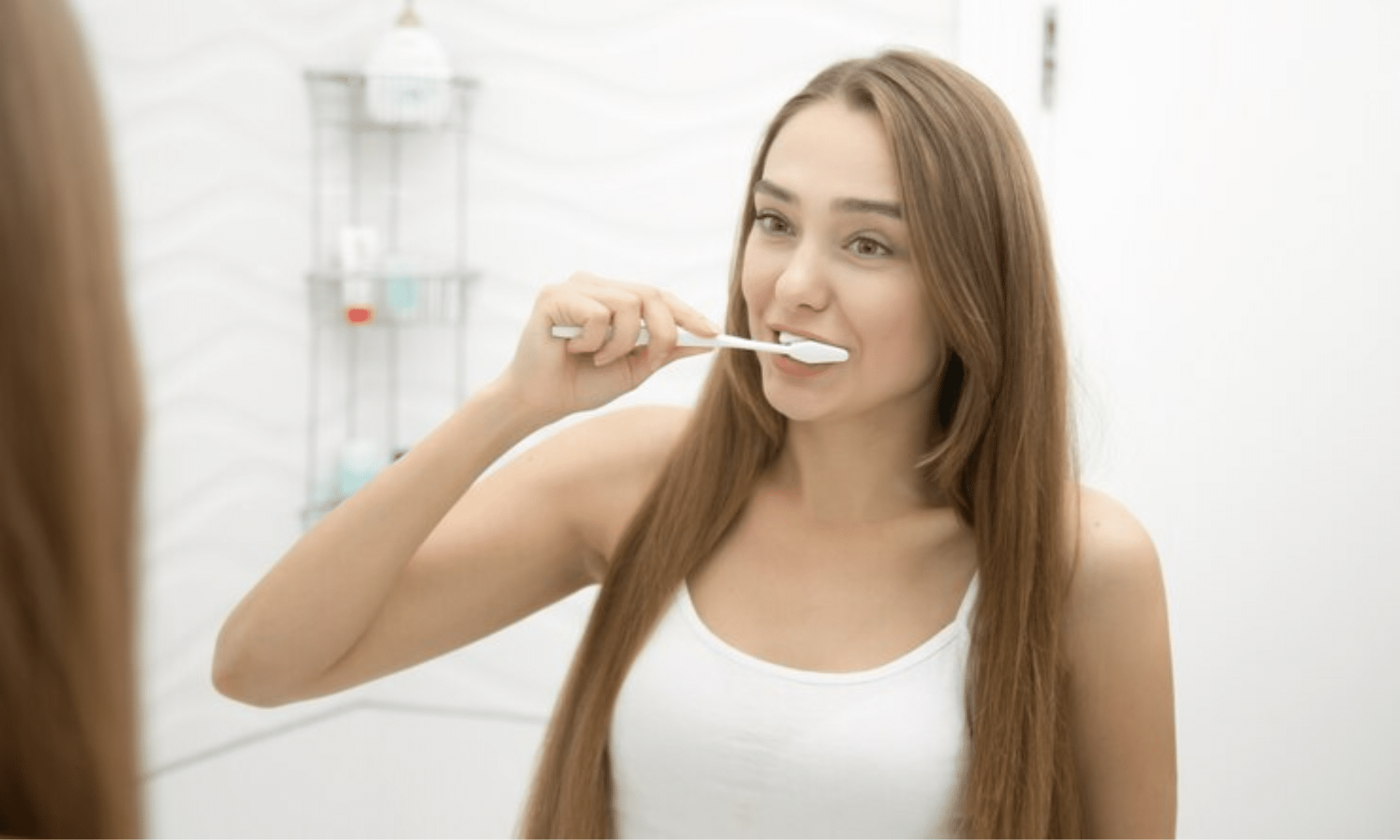
Brushing After Using Whitening Strips:
The question of whether to brush after using whitening strips is more nuanced. Let’s explore the arguments for and against it:
Arguments For Brushing After Using Whitening Strips
- Removing Residual Gel: Whitening strips can leave a sticky residue on your teeth. Brushing after use helps remove this gel, ensuring your mouth feels clean and fresh.
- Maintaining Oral Hygiene: Brushing helps remove any plaque or food particles that may have accumulated during the day. Maintaining good oral hygiene is crucial, especially when using products that alter the chemical environment of your mouth.
- Reducing Sensitivity: Some believe that brushing with toothpaste designed for sensitive teeth can help alleviate any discomfort caused by the whitening process.
Arguments Against Brushing After Using Whitening Strips
- Potential for Increased Sensitivity: Whitening agents can temporarily weaken your enamel, making your teeth more sensitive. Brushing immediately after using whitening strips could exacerbate this sensitivity, causing discomfort.
- Risk of Over-brushing: Brushing too soon after using whitening strips can lead to over-brushing, which can wear down your enamel and irritate your gums.
- Interference with Whitening Agents: Some experts suggest that brushing immediately after using whitening strips might remove the residual whitening agents that continue to work after the strips are removed.
Best Practices for Using Whitening Strips
To maximize the effectiveness of whitening strips and maintain good oral health, follow these best practices:
- Read the Instructions: Always follow the manufacturer’s instructions for use. Each brand may have specific guidelines regarding application time and frequency.
- Pre-brush Gently: Brush your teeth gently before applying whitening strips to ensure they are clean. Use a soft-bristled toothbrush and non-abrasive toothpaste.
- Wait Before Brushing: After removing the whitening strips, wait at least 30 minutes before brushing your teeth. This allows your enamel to recover from the whitening process.
- Use a Soft-bristled Toothbrush: When you do brush, use a soft-bristled toothbrush to avoid irritating your gums and enamel.
- Opt for Sensitivity Toothpaste: If you experience sensitivity, consider using a toothpaste formulated for sensitive teeth. These toothpastes contain ingredients that help soothe and protect your teeth.
- Limit Acidic Foods and Drinks: Avoid consuming acidic foods and drinks immediately after using whitening strips, as they can further weaken your enamel and increase sensitivity.
- Hydrate and Rinse: Drink plenty of water and rinse your mouth with water after removing the strips to help wash away any residual gel.
Understanding Teeth Sensitivity
Teeth sensitivity is a common side effect of using whitening strips. Understanding why this occurs and how to manage it can help you have a more comfortable whitening experience.
Causes of Sensitivity
Whitening strips contain peroxide, which can penetrate your enamel and reach the dentin layer of your teeth. This can cause temporary inflammation of the nerves, leading to sensitivity. The sensitivity is usually temporary and should subside within a few days after completing your whitening treatment.
Managing Sensitivity
If you experience sensitivity while using whitening strips, consider the following tips:
- Shorten Application Time: Reduce the amount of time you wear the whitening strips. For example, if the instructions recommend wearing them for 30 minutes, try reducing it to 20 minutes.
- Skip a Day: Give your teeth a break by skipping a day between whitening treatments.
- Use Sensitivity Toothpaste: As mentioned earlier, use a toothpaste designed for sensitive teeth to help manage discomfort.
- Avoid Extreme Temperatures: Stay away from very hot or cold foods and drinks, as they can exacerbate sensitivity.
- Consult Your Dentist: If sensitivity persists or becomes severe, consult your dentist. They may recommend alternative whitening methods or products.
Alternative Teeth Whitening Options
If you find that whitening strips are too harsh for your teeth or cause excessive sensitivity, consider alternative whitening methods:
- Whitening Toothpaste: Whitening toothpastes contain mild abrasives and small amounts of peroxide to help remove surface stains. They are less intense than whitening strips and may be a good option for those with sensitive teeth.
- Whitening Mouthwash: Whitening mouthwashes contain low concentrations of peroxide and can be used daily to gradually whiten your teeth.
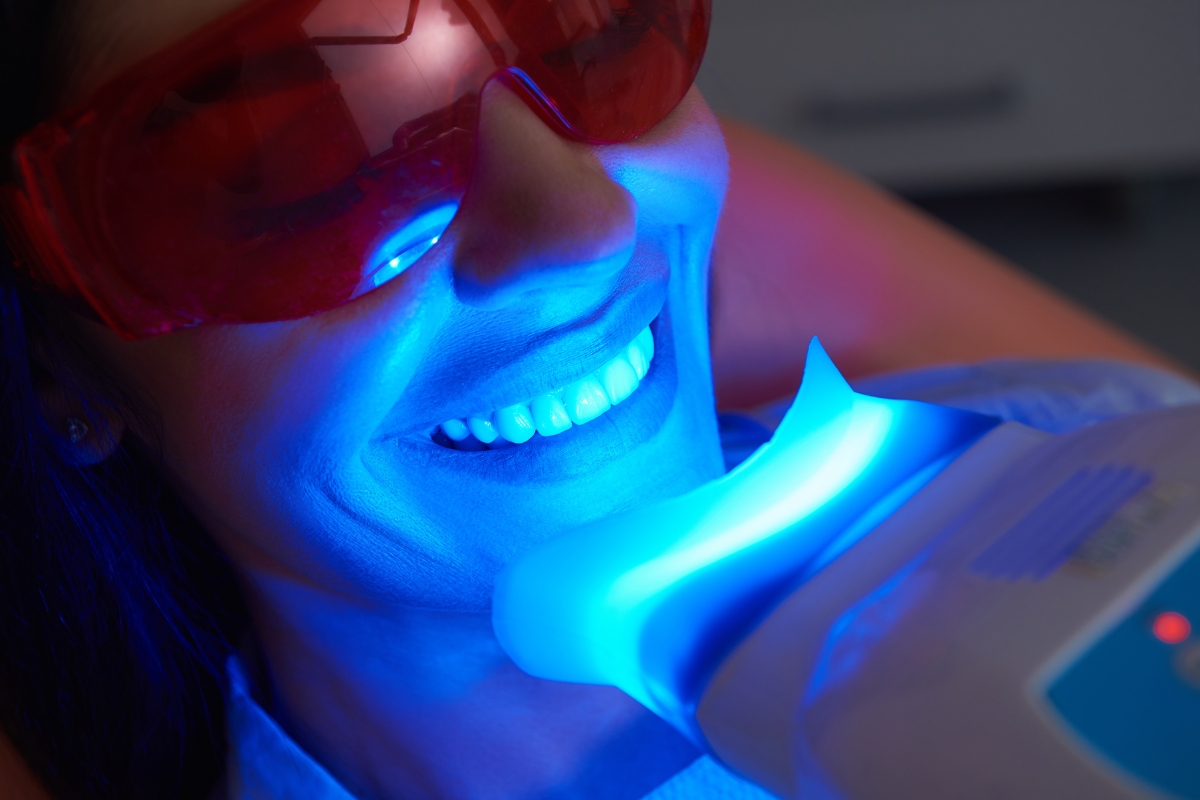
- Professional Whitening: In-office whitening treatments performed by a dentist can provide faster and more noticeable results. Dentists use higher concentrations of peroxide and have the expertise to manage sensitivity and other side effects.
- Custom Whitening Trays: Dentists can provide custom-fitted whitening trays and professional-grade whitening gel. This method allows for more controlled and even whitening.
In conclusion, whether to brush your teeth after using whitening strips depends on your individual needs and sensitivity levels. Brushing beforehand ensures your teeth are clean and free from debris while waiting 30 minutes after using the strips allows your enamel to recover and minimizes sensitivity.
By following expert recommendations and best practices, you can achieve a brighter smile while maintaining good oral health. If you experience significant sensitivity or discomfort, consider alternative whitening methods or consult your dentist for personalized advice.
Remember, a healthy smile is not just about whiteness but also about maintaining the overall health of your teeth and gums. So, use whitening strips wisely and enjoy the confidence that comes with a bright, beautiful smile. Teeth whitening, when done correctly and with care, can enhance your appearance and boost your self-esteem, making it all the more important to follow the right steps and guidelines.