EMERGENCy & NEW PATIENTS Welcome!

The Healing Process After Dental Implants: What to Expect at Every Stage

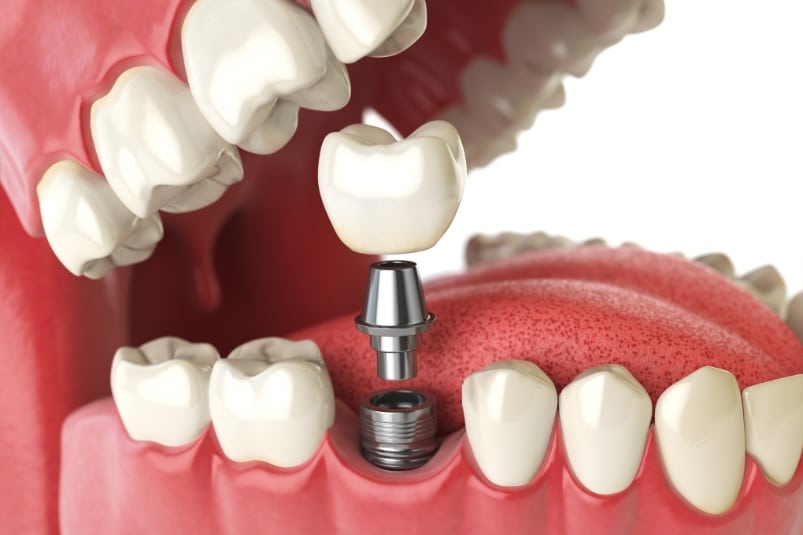
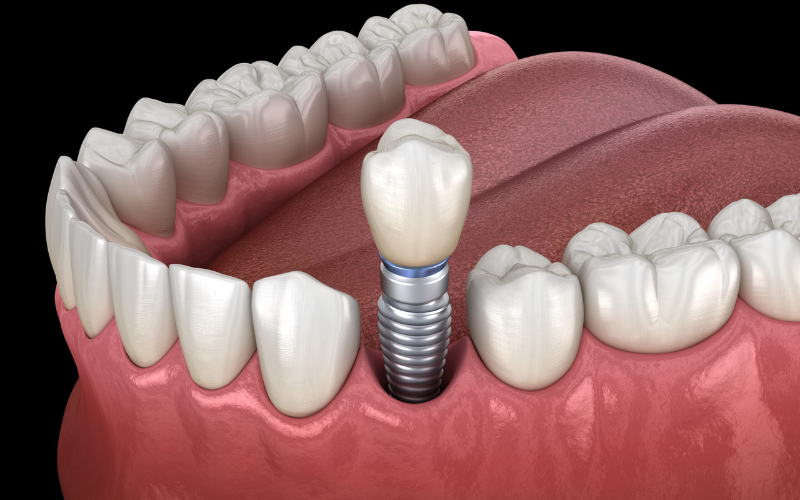
Dental implants are a popular solution for replacing missing teeth. While the procedure is straightforward, many people wonder about the healing process after dental implants. Understanding what to expect at each stage can ease your concerns and help you prepare for a smooth recovery. This blog will guide you through the different phases of healing after dental implant surgery so you know what to expect along the way.
Initial Healing: The First Few Days
The first few days after your dental implant surgery are crucial for your recovery. Here’s what typically happens during this stage:
- Swelling and Discomfort: You may experience swelling in the gums and face. This is normal and usually peaks within 48 hours. Over-the-counter pain relievers can help manage discomfort.
- Bleeding: Slight bleeding is expected right after surgery. Use gauze to gently pressure the area for about 30 minutes to control bleeding.
- Diet Adjustments: Stick to soft foods and avoid hot liquids for the first few days. Foods like yogurt, applesauce, and mashed potatoes are good choices.
- Oral Hygiene: Keep your mouth clean but be gentle around the implant site. Rinse with warm salt water after meals to promote healing.
The Healing Process After Dental Implants: Weeks One to Two
After the initial healing phase, you enter a critical period known as osseointegration. This is when the implant fuses with your jawbone. Here’s what you can expect:
- Continued Swelling and Bruising: Some swelling may persist, but it should start to decrease. Bruising is also common and will fade over time.
- Bone Growth: During this phase, your body works hard to integrate the implant into the bone. You may not feel much change, but the healing process after dental implants is actively occurring.
- Follow-Up Appointment: Typically, you’ll have a follow-up visit with your dentist within this period. They will check the implant site and monitor your healing.
- Pain Management: If discomfort continues, consult your dentist for recommendations. They may prescribe stronger pain medication if needed.
During weeks one to two, it’s vital to avoid hard or crunchy foods. Stick to soft items to ensure you do not disturb the healing process.
Weeks Three to Six: Adjustments and Monitoring
As you move into weeks three to six, the healing process after dental implants progresses. Here are key aspects to consider:
- Improved Comfort: Most patients find that discomfort significantly decreases during this period. Swelling should be minimal, and you can start eating a wider variety of foods.
- Integration Success: By now, the implant should be securely integrated with your jawbone. Your dentist may take X-rays to confirm this.
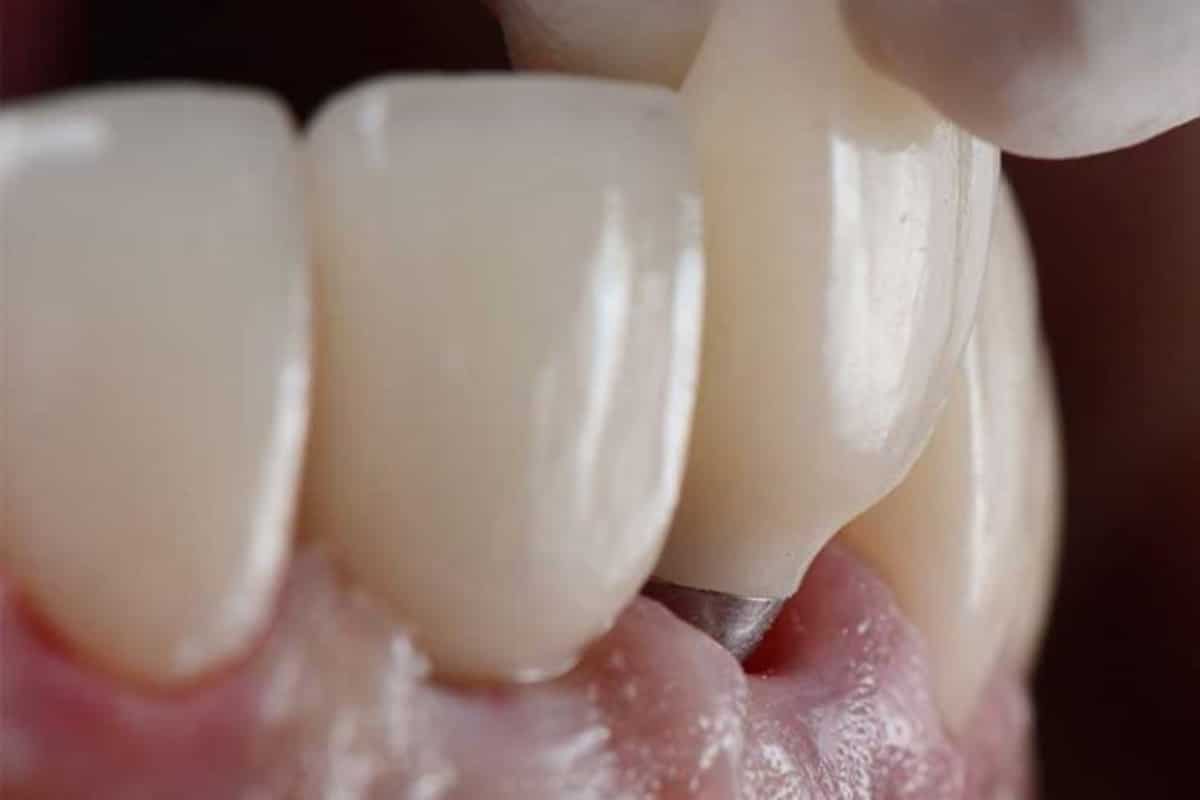
- Temporary Restoration: Depending on your treatment plan, you might receive a temporary crown during this stage. This allows you to regain function and aesthetics while healing continues.
- Check-Ins: Regular check-ups with your dentist are essential. They will assess your progress and make any necessary adjustments.
If you experience unusual pain or swelling, contact your dentist immediately. They can help identify any issues before they become more serious.
Final Stages: Weeks Six to Twelve
The final stages of the healing process after dental implants focus on full recovery and restoration. Expect the following:
- Permanent Crown Placement: Once healing is complete, your dentist will place the permanent crown. This process is quick and significantly enhances your smile.
- Ongoing Care: Good oral hygiene is vital to maintain your implants. Brush and floss regularly, and keep up with dental visits.
- Potential Adjustments: If you feel any discomfort with your new crown, notify your dentist. Adjustments might be necessary to ensure a comfortable fit.
- Long-Term Success: With proper care, your dental implants can last many years, potentially a lifetime. Your dentist can offer tips for maintaining your oral health.
The healing process after dental implants involves several stages. Each phase is essential for the success of your implants and overall oral health. By following your dentist’s advice and maintaining good hygiene, you can enjoy a smooth recovery and a beautiful smile. If you have any concerns during your recovery, don’t hesitate to contact your dentist for assistance. They are there to support you every step of the way.