EMERGENCy & NEW PATIENTS Welcome! - Wyomissing

Common Procedures – Wyomissing, PA
Regular Exams and Cleanings
Regular exams are essential for maintaining good oral health. These exams will typically include:
- Please inspect for any potential issues that may not be readily apparent to you.
- Look for cavities or signs of tooth decay.
- Make sure to examine your teeth and gums for signs of gingivitis and symptoms of periodontal disease.
- Make sure to clean your teeth completely.
Please make an appointment for your next dental exam and cleaning at our office today. These routine exams usually take between 45 minutes and one hour and include a comprehensive teeth cleaning to eliminate tartar and plaque buildup. Seeing the dentist every six months gives you the opportunity to address any concerns about your oral health. Appointments are necessary for regular exams. Please reach out to us to schedule yours.


Bonding
Bonding is a conservative method used to improve the appearance of slightly chipped, discolored, or crooked teeth by applying a tooth-colored filling that bonds to the tooth. This filling comes in various shades to match the natural color of your teeth.
Tooth bonding can also be used for fillings, with many patients preferring bonded fillings for their less noticeable white color compared to silver fillings. Bonding can be applied to both front and back teeth, depending on the location and extent of tooth decay.
This cost-effective cosmetic treatment can typically be completed in a single visit to our office. However, bonding is more prone to staining and breaking compared to treatments like porcelain veneers. If your bonding breaks or chips, please inform your doctor as it can usually be easily repaired or patched up in one visit.

Bridges
A bridge is a dental device used to replace missing teeth, support facial structure, and reduce bite pressure. It enhances aesthetics by filling gaps with artificial teeth and provides support by connecting to neighboring teeth. Bridges can be crafted from materials like gold, alloys, porcelain, or a mix of these. The effectiveness of a bridge depends on the health and strength of surrounding teeth, gums, and jaw, making it crucial to maintain their health.

Crowns
Dental crowns are used to enhance the shape or reinforce a tooth that is damaged, worn, or decayed. They are caps that are placed over a tooth, covering the area above the gum line. Crowns can be made of porcelain, metal, or a combination of both, with porcelain being the preferred choice for its natural look and strength. When a tooth is too weak to support a filling, a crown is necessary. These custom-made crowns are created in a dental lab from an impression of your tooth to ensure a perfect fit and functionality.

Dentures
Dentures provide an affordable, lifelike, and removable option for replacing missing teeth, enabling patients to eat, talk, and smile with assurance. There are two varieties of dentures to choose from: full and partial.
- Full dentures are given when all natural teeth are removed, while partial dentures are connected to a metal frame that attaches to natural teeth to fill gaps where some permanent teeth are missing.
Our team of experienced dentists, Drs. Funk, Voler, and Pranckun, specialize in creating dentures that enhance patients' smiles. We carefully customize the shape, size, and color of the teeth to match each individual's personality and facial features, ensuring a natural appearance.
Proper denture care is essential. It is recommended to brush dentures daily with a denture brush and mild soap or denture paste, avoiding toothpaste as it can be too abrasive. Patients with full dentures should have an annual complimentary exam at our office to ensure proper fit and function. Those with partial dentures should maintain regular home hygiene and visit our office for professional cleanings and exams every six months.
If you are interested in learning more about dentures, partial dentures, or other restorative options, please contact our dental office to schedule an appointment in Wyomissing, PA.

Extractions
There are times when it may be necessary to have a tooth extracted. This can occur if a baby tooth has roots that are misshapen or too long, preventing it from falling out naturally. In cases of extensive decay or if a tooth is causing issues for surrounding teeth, your dentist may suggest removal and replacement with a bridge or implant. Tooth extraction may also be needed due to infection, orthodontic concerns, or wisdom teeth problems.
If a tooth needs to be extracted, your dentist may perform the procedure during a regular checkup or schedule a separate appointment. Each tooth is held in place by a ligament in a socket in your jawbone. To extract a tooth, your dentist will widen the socket and separate the tooth from the ligament. While this is typically a quick process, it's important to discuss any concerns or preferences for sedation with your dentist.
After a tooth is extracted, neighboring teeth may shift, potentially causing issues with chewing or jaw joint function. To prevent these problems, your dentist may recommend replacing the extracted tooth.
Fillings
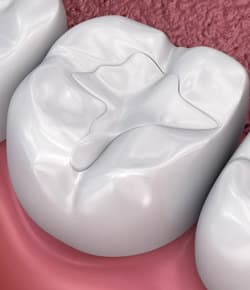
Traditional dental fillings can be made from materials such as gold, porcelain, amalgam, and composite. More modern options like ceramic and plastic compounds can also be used to replicate the appearance of natural teeth. Composite resins, a type of plastic compound, are often used for front teeth to achieve a natural look. Fillings can be classified as direct or indirect. Direct fillings are completed in a single visit, while indirect fillings like inlays and veneers made from ceramics or composites may require multiple appointments.

Fluoride
Fluoride is a great way to prevent cavities, tooth decay, and plaque buildup on your teeth. A fluoride treatment at the dentist's office is a fast procedure that typically lasts just a few minutes. It's important to refrain from rinsing, eating, or drinking for at least 30 minutes after the treatment to allow the fluoride to be absorbed by your teeth.
The frequency of fluoride treatments required can vary based on your oral health and your dentist's recommendation. You may need a fluoride treatment every three, six, or 12 months, as advised by your dentist.
Implant Restoration
If you have missing teeth, it is important to replace them to avoid issues with your bite and discomfort while eating. Missing teeth can also cause your mouth to shift and may even make you look older. Implants are a great option for replacing missing teeth and, with proper care, can last a lifetime.
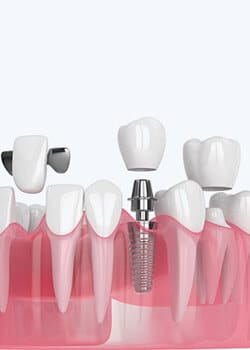
An implant is a metal and porcelain tooth that closely resembles your natural tooth. It includes a titanium implant body that serves as a replacement for the missing root, and a tooth-colored crown that is attached to the implant. With implants, you can smile confidently because they look just like natural teeth.
Implants can also be used to secure dentures, especially lower dentures that may shift while talking or eating. For those with removable partial dentures, implants can replace missing teeth and give you a more natural-looking smile.
Mouthguards
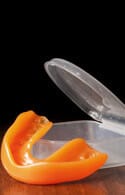
Protecting your smile during sports is crucial, whether you wear braces or not. Mouthguards are necessary to prevent injuries to your teeth and gums. If you play full-contact sports, the American Dental Association advises wearing a mouthguard. There are three main types to consider: pre-made mouthguards, "boil-and-bite" fitted mouthguards, and custom-made mouthguards from your dentist. When choosing a mouthguard, ensure it is tear-resistant, comfortable, well-fitted, easy to clean, and allows for proper breathing. Your dentist can demonstrate how to correctly wear a mouthguard and assist you in selecting the most suitable one for your requirements.

Nightguards
If you frequently wake up with jaw pain, earaches, or headaches, you might have bruxism, a common condition where people grind or clench their teeth, often without realizing it during sleep. If left untreated, bruxism can result in serious dental problems like broken or cracked teeth, or even tooth loss.
The good news is that there is a simple solution for bruxism: nightguards. These custom-made devices, crafted by your dentist using soft material that conforms to your teeth, are worn over either your upper or lower teeth to prevent them from grinding against each other. Nightguards are a highly effective and non-invasive way to safeguard your teeth from the harm caused by bruxism over time.
Root Canals
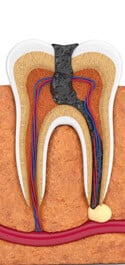
In the past, a tooth with a diseased nerve would likely be lost. However, thanks to a specialized dental procedure called "root canal treatment," the tooth can now be saved. When a tooth is cracked or has a deep cavity, bacteria can enter the nerve tissue, causing an infection inside the tooth. Without treatment, an abscess can develop, leading to pain and swelling. This not only affects the jawbones but also poses risks to your overall health.
Root canal treatment typically requires one to three visits. During the procedure, the infected tissue is removed, the interior of the tooth is cleaned, and it is sealed. If the tooth has significant decay, your dentist may recommend a crown to strengthen and protect it from fracturing. By maintaining proper care, such as regular brushing, flossing, and check-ups, your restored tooth can last a lifetime.

Sealants
Brushing alone may not always be enough to reach all areas of your mouth, especially the hard-to-reach spots where tooth decay can occur. Dental sealants provide extra protection by bonding to the deep grooves on your teeth's surface, making them smoother and less likely to collect plaque.
Sealants are commonly applied to children's teeth to prevent decay, but adults with healthy teeth can also benefit. While sealants typically last three to five years, some adults still have sealants from childhood. If your sealants come off, be sure to schedule an appointment with your dentist to have them re-sealed for continued protection against decay.

Veneers
Since the 1980s, our dental office in Wyomissing, PA has been providing natural-looking veneers. With advancements in materials and techniques, our veneers are now more beautiful and longer-lasting than ever before.
Veneers are custom-made shells made from tooth-colored porcelain that cover the front of your teeth. They can correct minor aesthetic issues like cracks, chips, discoloration, and uneven spacing.
The veneer process typically takes a few weeks. At your initial appointment in our Wyomissing, PA dental office, we will take photographs, X-rays, and impressions, and may create models and shape your teeth if needed. We then create a wax template and temporary veneer for you to evaluate the shape, color, and aesthetics before crafting the permanent veneers.
The key to successful veneer treatment is discussing the specific changes you want for your smile from the beginning. This allows us to create a personalized treatment plan to help you achieve the smile you've always wanted.

Wisdom Teeth
Wisdom teeth typically emerge in the late teens or early twenties but can become impacted due to lack of space or the angle of entry. Impacted wisdom teeth may need to be removed to prevent gum tenderness, swelling, or pain, as well as decay, infections, and gum disease. Removal is usually done in the late teens or early twenties when the roots are not fully formed and the surrounding bone is less dense, making extraction easier and speeding up recovery. The dentist will numb the area, remove any covering bone if necessary, and may divide the tooth into sections for easier removal. Recovery time varies depending on the complexity of the extraction, with the dentist providing instructions for a comfortable healing process and explaining what to expect during recovery.