EMERGENCy & NEW PATIENTS Welcome! - Wyomissing

Periodontal Treatments – Wyomissing, PA
Treatment Options
Different treatment options are available for gum disease depending on the severity of the condition and individual circumstances. Non-surgical treatments are usually suggested first, with surgery being an option for more severe cases.

Non-Surgical Treatment
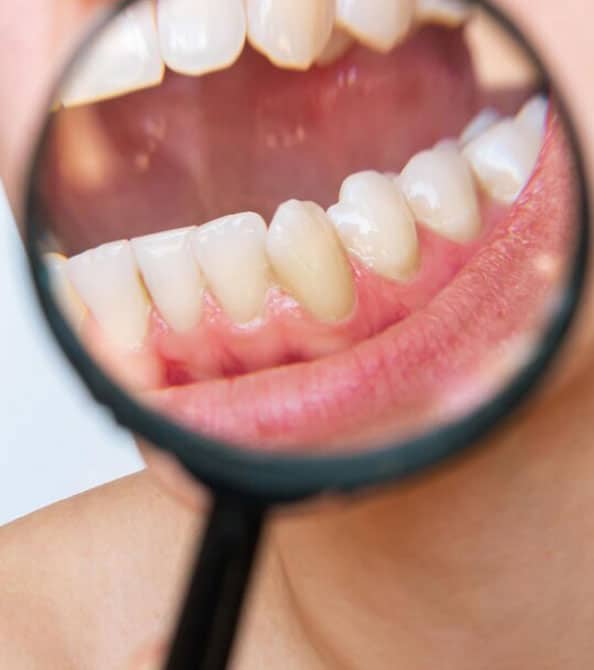
For effective treatment of gum disease, it is recommended to undergo a specialized cleaning process called "scaling and root planing." This procedure involves using a high-tech cleaning tool to remove plaque and tartar from hard-to-reach areas like under the gum line, on the tooth, and around the root. The surfaces of the tooth and root are then smoothed to create a clean, healthy surface that encourages gum tissue reattachment.
Early detection of gum disease may only require scaling and root planing as treatment. However, maintaining good oral health and preventing future gum disease requires proper aftercare. This includes daily brushing and flossing, a balanced diet, avoiding tobacco, and regular dental checkups. Failing to maintain proper oral hygiene after scaling and root planing increases the risk of gum disease returning.
Surgical Treatment Options
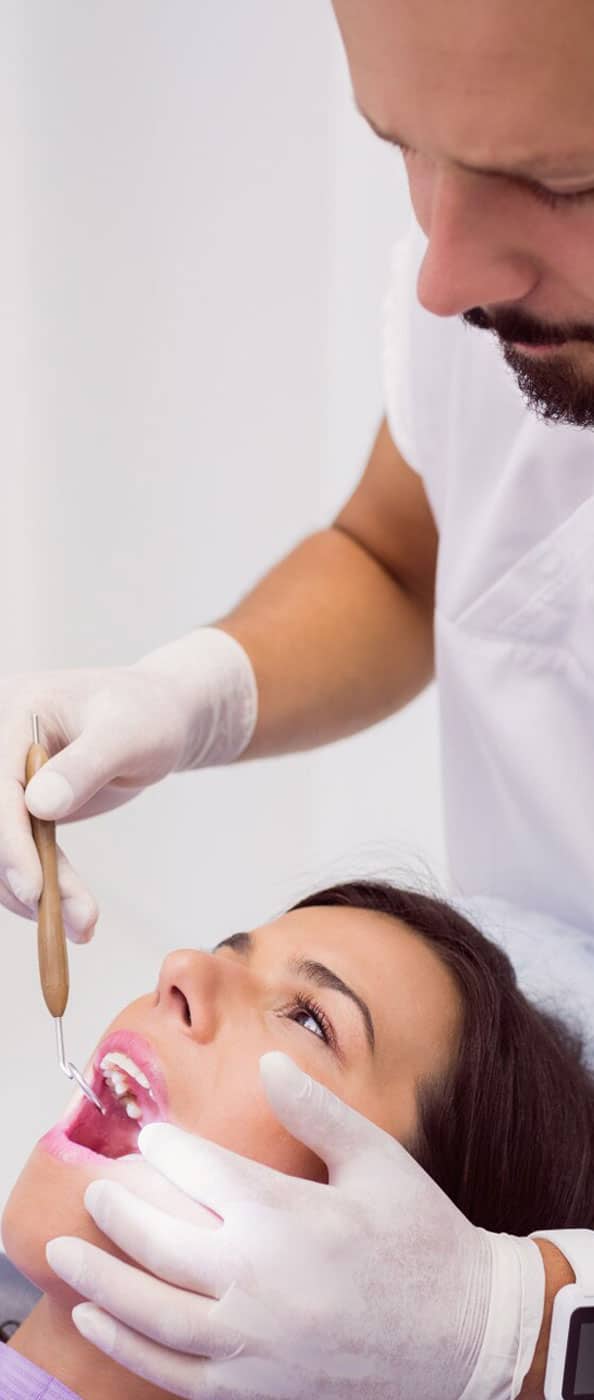
If the tissue or bone around your teeth is too damaged for non-surgical treatment, there are several surgical options to prevent further damage and restore a healthy smile. We will recommend the most appropriate procedure based on the condition of your teeth and gums. Some common types of periodontal surgery include:
Improving Gum Health by Reducing Pocket Depth
Periodontal disease can harm the tissues and bones around the teeth, creating pockets where harmful bacteria can accumulate and worsen the damage. Our method for reducing pocket depth includes removing bacteria, plaque, and tartar from these pockets, as well as treating any damaged tissue. By reattaching healthy tissue to the teeth, we can prevent tooth loss and enhance overall gum health.
Regeneration
If severe gum disease has damaged the bone and tissue supporting your teeth, we offer a regeneration procedure to repair these areas. This treatment involves lifting the gum tissue, removing bacteria, plaque, and tartar, and either conducting a bone graft to stimulate new bone growth or utilizing a special protein to encourage tissue regeneration and heal the affected areas.
A soft-tissue graft is a procedure that can enhance gum health by covering exposed tooth roots caused by gum disease. This can reduce sensitivity to hot or cold foods and offer protection against damage from bacteria, plaque, and tartar. The tissue for the graft is typically sourced from the roof of the mouth or another area and is utilized to restore the gum line to its original, healthy state. In addition to its health benefits, a soft-tissue graft can also be performed for cosmetic reasons.