EMERGENCy & NEW PATIENTS Welcome! - Wyomissing

Sleep Apnea – Wyomissing, PA
Sleep Apnea
If you are feeling excessively tired during the day without explanation, snore loudly, or wake up gasping for air at night, you may be one of the 12 million Americans dealing with sleep apnea.

What is sleep apnea?
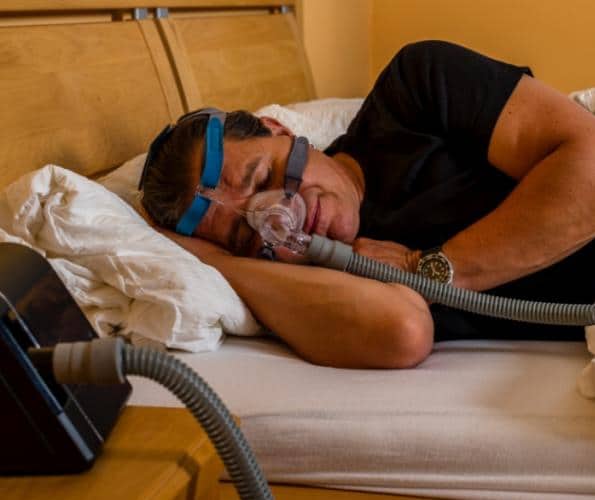
Sleep apnea is a condition in which breathing stops repeatedly during sleep, happening approximately 20-30 times per hour. These interruptions decrease oxygen levels, prompting the brain to briefly awaken in order to resume normal breathing. Many people with sleep apnea are unaware of these awakenings and may think they are sleeping well. However, this cycle of disrupted sleep prevents deep rest, resulting in ongoing daytime tiredness.
What are the signs of sleep apnea?
If you are experiencing any of the symptoms listed above, it could indicate sleep apnea. Please contact our practice for a thorough evaluation.
- Struggling to fall asleep or dealing with insomnia
- Loud snoring at night.
- I woke up in the middle of the night, struggling to catch my breath.
- Be alert for snorting or choking sounds during the night, as they could signal a resumption of breathing.
- I have been having headaches when I wake up in the morning.
- Accidentally falling asleep during the day.
- I am constantly feeling very tired throughout the day.
Are there different types of sleep apnea?
Sleep apnea comes in three types: obstructive sleep apnea (OSA), central sleep apnea (CSA), and mixed or complex sleep apnea. OSA is the most prevalent, resulting from a physical obstruction in the throat. CSA happens when the brain fails to send proper signals to the breathing muscles. Mixed sleep apnea is a blend of both OSA and CSA.
What are risk factors for sleep apnea?
Obstructive sleep apnea is more prevalent in men than women and typically affects adults over 40 more than younger adults and children. However, individuals of any gender or age can be impacted by sleep apnea. Risk factors include obesity, smoking, alcohol use, taking sedatives or tranquilizers, and having a family history of the condition. Central sleep apnea is commonly observed in individuals with heart disorders, neuromuscular disorders, strokes, or brain tumors.
How is sleep apnea treated?
Treatment options for sleep apnea vary depending on the severity and type of the condition. Initially, recommendations may include making behavioral changes such as losing weight, quitting smoking, or adjusting sleeping positions. Oral devices can also be utilized to reposition the mouth and prevent throat blockage. In more severe cases, surgery may be required for optimal treatment.
What should I do if I suspect that someone in my family suffers from sleep apnea?
Please reach out to our practice for a referral to a sleep apnea specialist who can recommend a sleep study to evaluate the severity of your condition and propose suitable treatment options, such as a custom-made oral device.